How to Choose a Crusher by Rock Type?

Choosing a crusher for a mining or quarrying operation is not always straightforward. Different rocks behave differently during crushing. Granite is hard and abrasive, limestone is generally easier to break, while basalt can put considerable pressure on machine components. Using the same equipment for every material may lead to poor production and higher maintenance costs.
This is why crusher selection by rock type matters when planning a crushing plant. The machine should match the material being processed, the required production capacity and the final product size.
For quarry owners and mining contractors, selecting suitable equipment can make daily operations easier to manage. A Jaw Crusher may be required for large rocks, while a Cone Crusher or VSI may be needed for further size reduction. The right combination depends on the material and the purpose of the finished product.
Let's look at how different crushers work and which materials they are commonly used for.
Why Does Rock Type Matter When Selecting a Crusher?
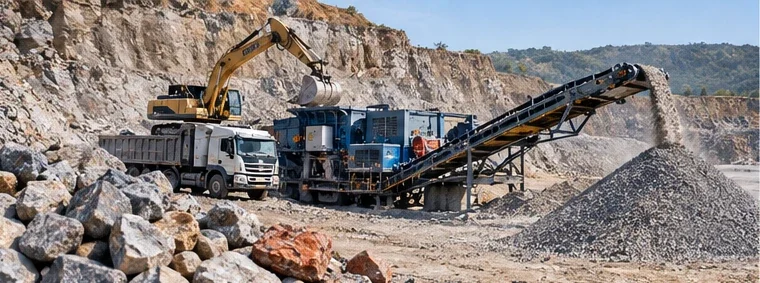
Every rock has its own physical properties. Its hardness, mineral composition and abrasiveness affect how it breaks inside a crushing chamber. These properties also influence how quickly machine components wear out.
For example, granite and basalt are commonly found in hard rock applications. They require equipment capable of handling high crushing forces. Limestone is generally easier to crush and can be suitable for impact crushing when its abrasiveness is low.
Choosing an unsuitable machine can result in frequent replacement of jaw plates, liners and other wear parts. It can also affect production capacity and the quality of the final aggregate.
Before purchasing crushing equipment, businesses should understand the material available at their site rather than selecting a machine based only on its capacity.
Important Factors to Consider Before Choosing a Crusher
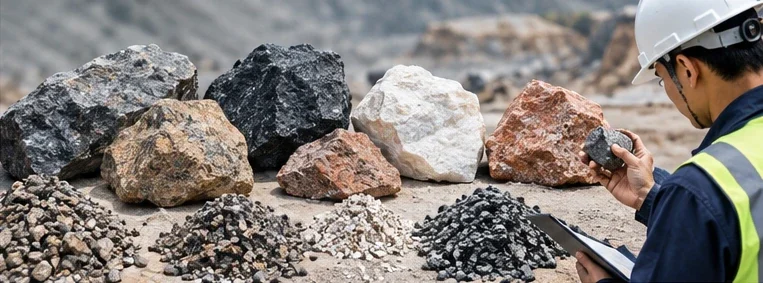
Rock type is only one part of equipment selection. A few other factors should also be checked before deciding which crusher will work best.
Rock Hardness
Hardness indicates how resistant a rock is to breaking. Granite, basalt and quartzite are examples of hard rocks commonly processed in mining and quarrying.
These materials generally require strong crushing equipment. Jaw crushers are commonly used for primary reduction, while cone crushers handle further size reduction in many hard rock plants.
Softer materials may need a different crushing arrangement depending on the required output and production rate.
Rock Abrasiveness
Abrasiveness describes how quickly a rock wears down the surfaces it touches during crushing. Materials containing quartz and other hard minerals can cause considerable wear on machine components.
This is important when calculating operating costs. A crusher may provide the required production, but frequent replacement of wear parts can make the operation expensive.
For highly abrasive materials, compression-based machines such as Jaw Crushers and Cone Crushers are often considered.
Feed Size and Required Output
The size of the incoming rock determines the feed opening required in a crusher. Large stones from quarry blasting need equipment that can accept the maximum feed size without causing blockages.
The required output size is equally important. Producing coarse aggregates is different from manufacturing fine material or artificial sand.
Buyers should check both feed size and discharge requirements before finalising a machine.
Moisture and Clay Content
Wet or clay-rich material can create feeding and material-flow problems. It may stick to equipment surfaces or affect the movement of material through the crushing chamber.
Operators should check moisture levels and clay content before selecting a machine. Suitable feeding and screening arrangements can also help maintain consistent plant operation.
Which Crusher Is Best for Different Types of Rocks?

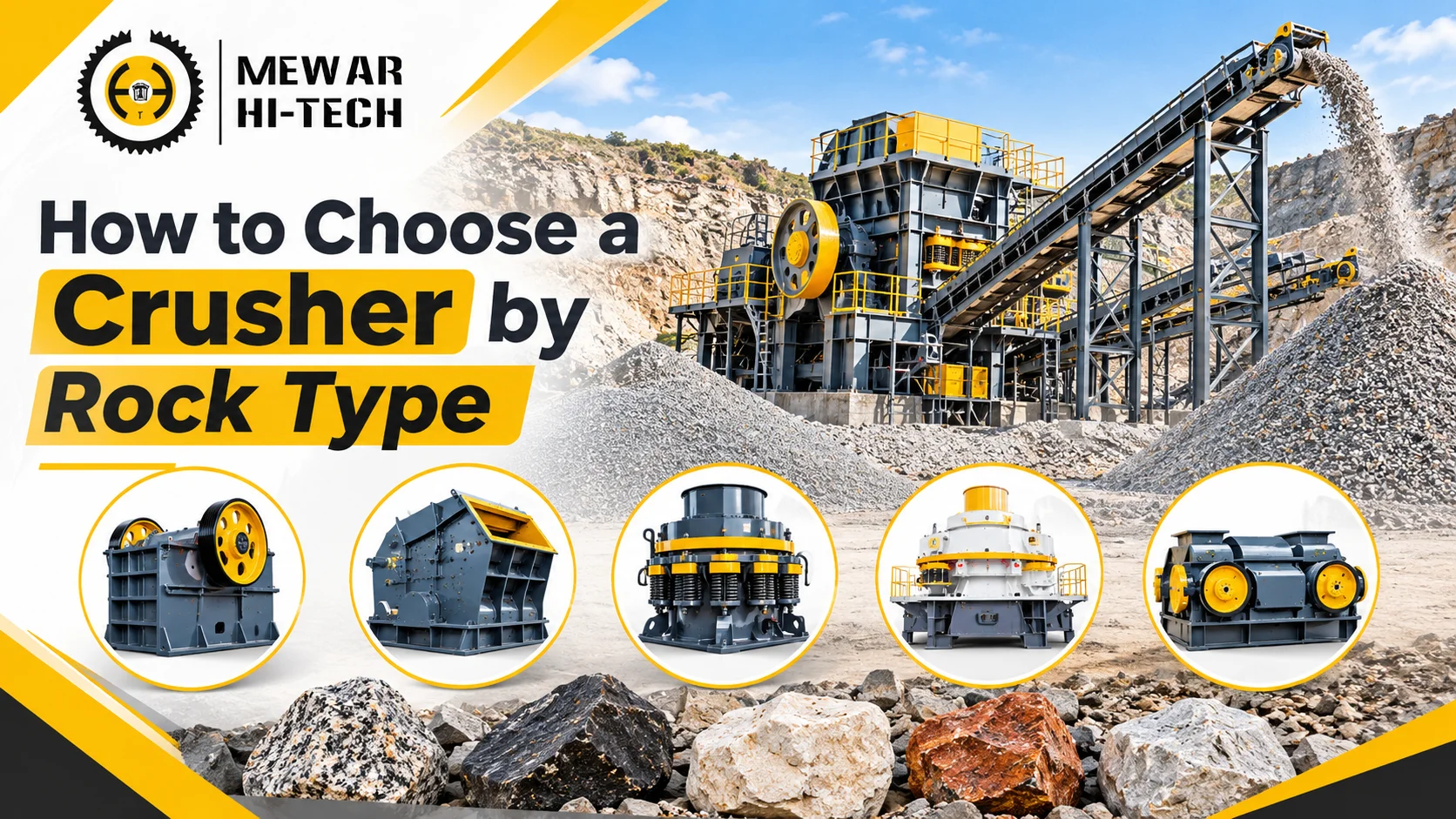
Different crushers use different methods to break material. Some apply pressure, while others use impact. Understanding their working methods helps businesses select equipment according to the material they process.
Jaw Crusher for Granite, Basalt and Hard Rocks
A Jaw Crusher is commonly used for primary crushing. It uses a fixed jaw plate and a moving jaw plate to apply pressure and break large rocks into smaller pieces.
It is a suitable choice for many hard rock applications, including granite, basalt and quartzite. Its large feed opening allows it to handle material coming directly from mining and quarrying operations.
Jaw crushers are also used for limestone and other materials that require primary size reduction.
Before buying a jaw crusher, check its feed opening, production capacity, jaw plate quality and discharge setting. These specifications help determine whether the machine matches your site requirements.
HSI Crusher for Limestone and Less Abrasive Rocks
A Horizontal Shaft Impactor (HSI) crusher uses rotating blow bars to strike and break material through impact.
It is commonly considered for limestone and other suitable rocks with low to moderate abrasiveness. One advantage is its ability to produce cubical aggregates, which are useful in road construction and concrete production.
However, highly abrasive materials can cause faster wear of blow bars and impact liners. Therefore, the actual rock composition should be checked before choosing an HSI crusher.
Cone Crusher for Hard and Abrasive Rocks
A Cone Crusher is widely used for secondary and tertiary crushing. It reduces material through compression between the mantle and concave surfaces.
Granite, basalt, iron ore and certain river stones are common materials considered for cone crushing. These machines are useful when material has already passed through primary crushing and requires further reduction.
Cone crushers also allow operators to adjust the crushing setting according to the required product size, within the machine's operating specifications.
For hard rock processing, a Jaw Crusher followed by a Cone Crusher is a common arrangement. It reduces large stones in stages and helps maintain consistent production.
VSI Crusher for Fine Crushing and Manufactured Sand
A Vertical Shaft Impactor (VSI) crusher is mainly used for fine crushing and particle shaping. It accelerates material through a high-speed rotor, allowing particles to break through impact.
VSI crushers are commonly used in manufactured sand plants and aggregate production. Suitable materials include granite, basalt and limestone, depending on their properties and the machine configuration.
The machine is particularly useful when the final product requires a more cubical particle shape. Before purchasing one, check the feed size, rock abrasiveness and required sand production.
Roll Crusher for Coal, Gypsum and Softer Materials
A Roll Crusher uses two rotating rollers to reduce material between their surfaces. The gap between the rollers helps control the size of the discharged product.
It is commonly used for coal, gypsum, limestone and other suitable materials with relatively low hardness.
Roll crushers can be useful when controlled size reduction is required and excessive fines need to be limited. However, conventional roll crushers may not be economical for extremely hard and abrasive rocks because of increased roller wear.
Crusher Selection by Rock Type: Comparison Table
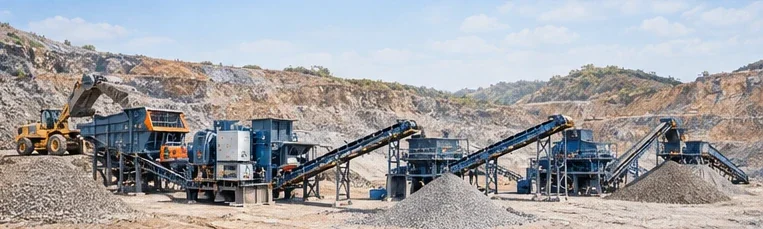
The following table provides a general reference for selecting equipment according to common rock materials.
| Rock Type | Main Characteristics | Suitable Crusher |
| Granite | Hard and abrasive | Jaw Crusher, Cone Crusher |
| Basalt | Hard and tough | Jaw Crusher, Cone Crusher |
| Limestone | Generally easier to crush | Jaw Crusher, HSI Crusher |
| Sandstone | Variable hardness | Jaw Crusher, HSI or Cone Crusher |
| Quartzite | Very hard and abrasive | Jaw Crusher, Cone Crusher |
| River Stone | Variable hardness | Jaw Crusher, Cone Crusher |
| Coal | Relatively soft | Roll Crusher |
| Gypsum | Soft material | Roll Crusher, Impact Crusher |
| Iron Ore | Variable hardness | Jaw Crusher, Cone Crusher |
These are general recommendations. Actual equipment selection depends on mineral composition, feed conditions, production capacity and final product requirements.
How Do Crushing Stages Affect Equipment Selection?
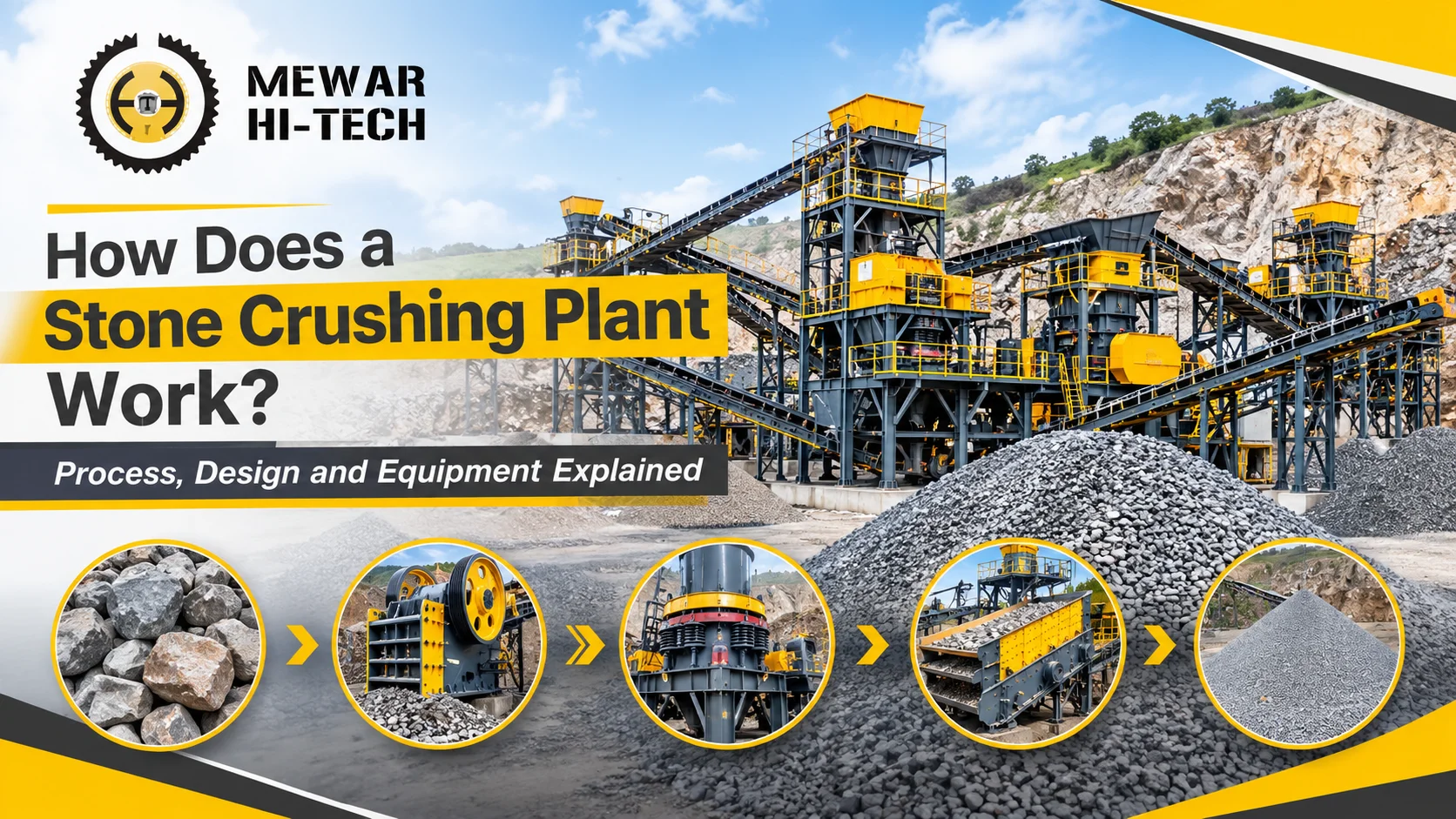
Most mining and quarrying plants use multiple crushing stages because reducing large rocks to their final size in one machine is not always practical.
Primary Crushing
Primary crushing is the first stage of material reduction. Large rocks received from the mine or quarry are fed into a Jaw Crusher.
The main purpose is to reduce oversized material into a manageable size for the next stage.
Secondary Crushing
After primary crushing, material moves to secondary equipment. A Cone Crusher or HSI crusher may be selected depending on the hardness and abrasiveness of the rock.
This stage reduces the material further and prepares it for screening or additional crushing.
Tertiary Crushing
Tertiary crushing is used when smaller aggregates or improved particle shape are required. VSI crushers and suitable cone crushers are commonly considered for this stage.
For manufactured sand production, VSI equipment can help produce the required particle size and shape.
The number of crushing stages should be decided according to the final product specification and production target.
What Should You Check Before Buying a Crusher Machine?
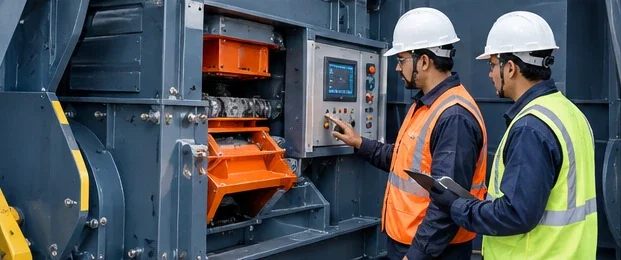
Buying a crusher is a major investment, so businesses should look beyond the initial purchase price. The machine must perform well under actual site conditions.
Production capacity is one of the first things to check. Compare the required tonnes per hour with the manufacturer's capacity specifications. Feed size and discharge settings should also match the material being processed.
Wear-part availability is another important consideration. Businesses handling abrasive rocks should understand the expected wear on jaw plates, blow bars, liners and other components.
Power requirements, maintenance access and spare parts support can also affect long-term operating costs.
Before requesting a quotation, share your rock type, maximum feed size, required output size and expected production capacity with the manufacturer. This information makes it easier to identify suitable equipment.
Conclusion
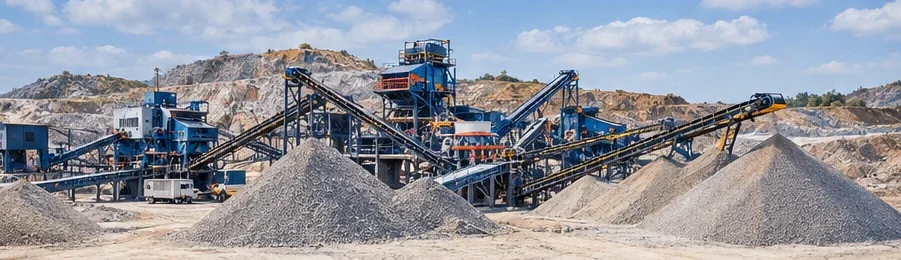
Choosing the right crusher starts with understanding the rock being processed. Hard materials such as granite and basalt generally require strong compression-based equipment, while less abrasive limestone may be suitable for impact crushing. VSI and Roll Crushers serve different requirements in fine crushing, manufactured sand production and controlled size reduction.
There is no single machine that works best for every quarry. Feed size, rock hardness, abrasiveness and production targets should all be considered before making a purchase.
Mewar Hi-Tech provides crushing and screening equipment, including Jaw Crushers, Cone Crushers, HSI, VSI and Roll Crushers for different industrial applications. Evaluating your material and production requirements before selecting a machine can help build a more reliable and cost-effective crushing operation.