What is a Jaw Crusher? Types of Jaw Crushers Explained

When a quarry starts processing a fresh batch of rocks, the first challenge is usually their size. Large stones coming from blasting or excavation cannot go directly into every crushing and screening machine. They need to be broken down first. This is where a Jaw Crusher becomes useful.
Jaw crushers are commonly installed at the beginning of a crushing plant. They handle large pieces of material and reduce them to a size that can be processed by other equipment. Granite, basalt, limestone and different types of mineral ores are among the materials handled by these machines.
However, choosing a jaw crusher is not as simple as selecting a model with a higher production capacity. A quarry working with hard granite has different requirements from a plant processing softer limestone. Feed size, machine design and the expected output all need attention.
Understanding how a jaw crusher operates can help plant owners make better purchasing decisions. It also gives operators a clearer idea of why certain machine specifications matter during everyday production.
What Is a Jaw Crusher?
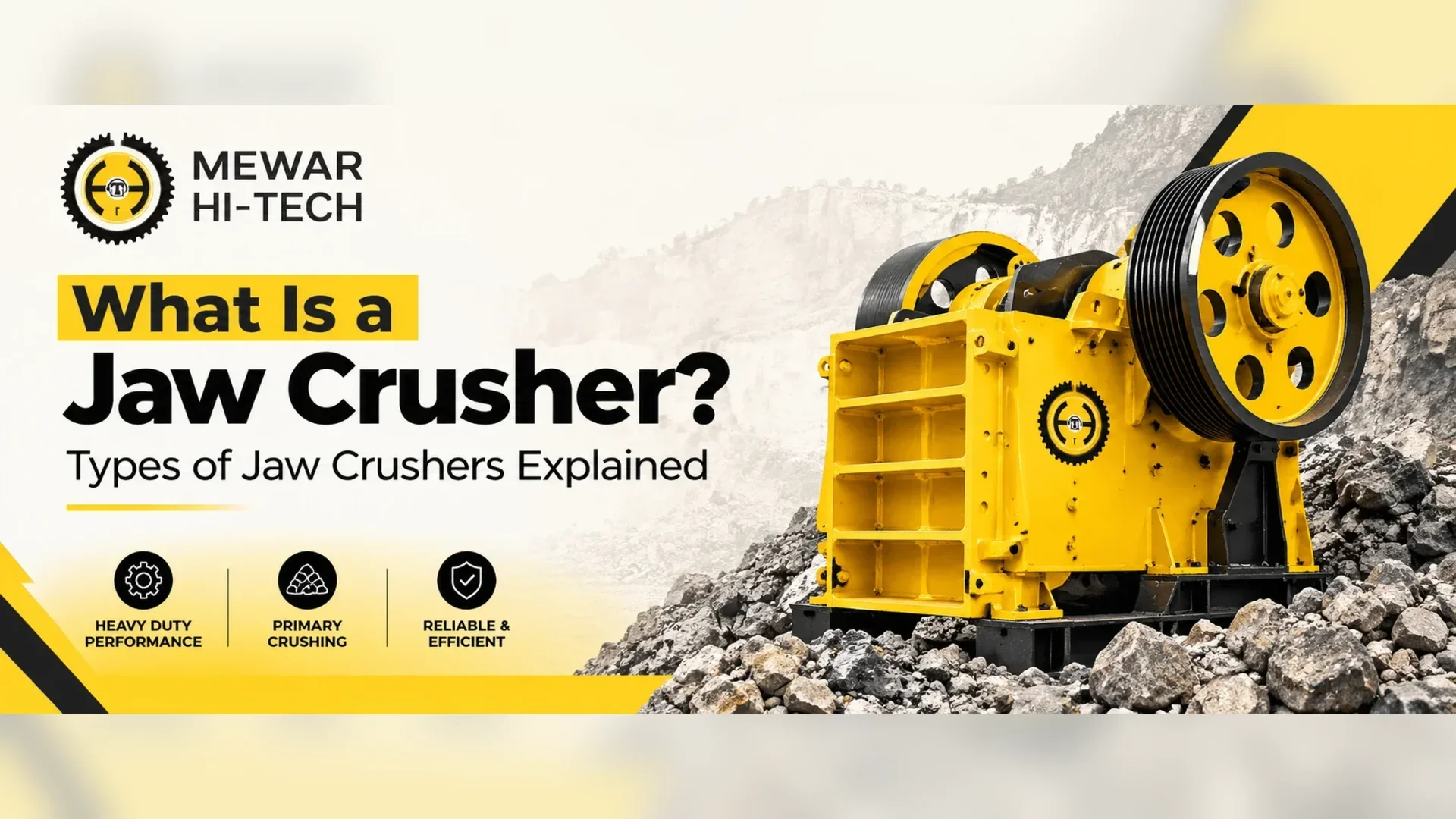
A Jaw Crusher is a mechanical machine that reduces large rocks through compression. Its crushing arrangement consists of two strong metal plates known as jaws. One plate stays fixed, while the other moves to break the material placed between them.
The process starts when rocks enter through the upper opening. The moving jaw presses them against the fixed jaw, causing the material to fracture. Once the pieces become small enough, they move towards the bottom discharge opening.
One reason this machine is widely used in mining and quarrying is its ability to accept relatively large feed material. It does not require every rock to be reduced to a smaller size before entering the machine.
You may find jaw crushers in granite quarries, limestone processing plants, iron ore mines and aggregate production facilities. They are also used in certain construction waste recycling applications.
Machine dimensions and configurations vary according to production requirements. A small operation may need a compact jaw crusher, while a large quarry may require a machine with a wider feed opening and greater capacity.
Before purchasing one, it is worth checking the feed opening, discharge setting, jaw plate arrangement and manufacturer's capacity specifications. These details provide a much clearer picture of whether the machine will suit the site.
How Does a Jaw Crusher Work?
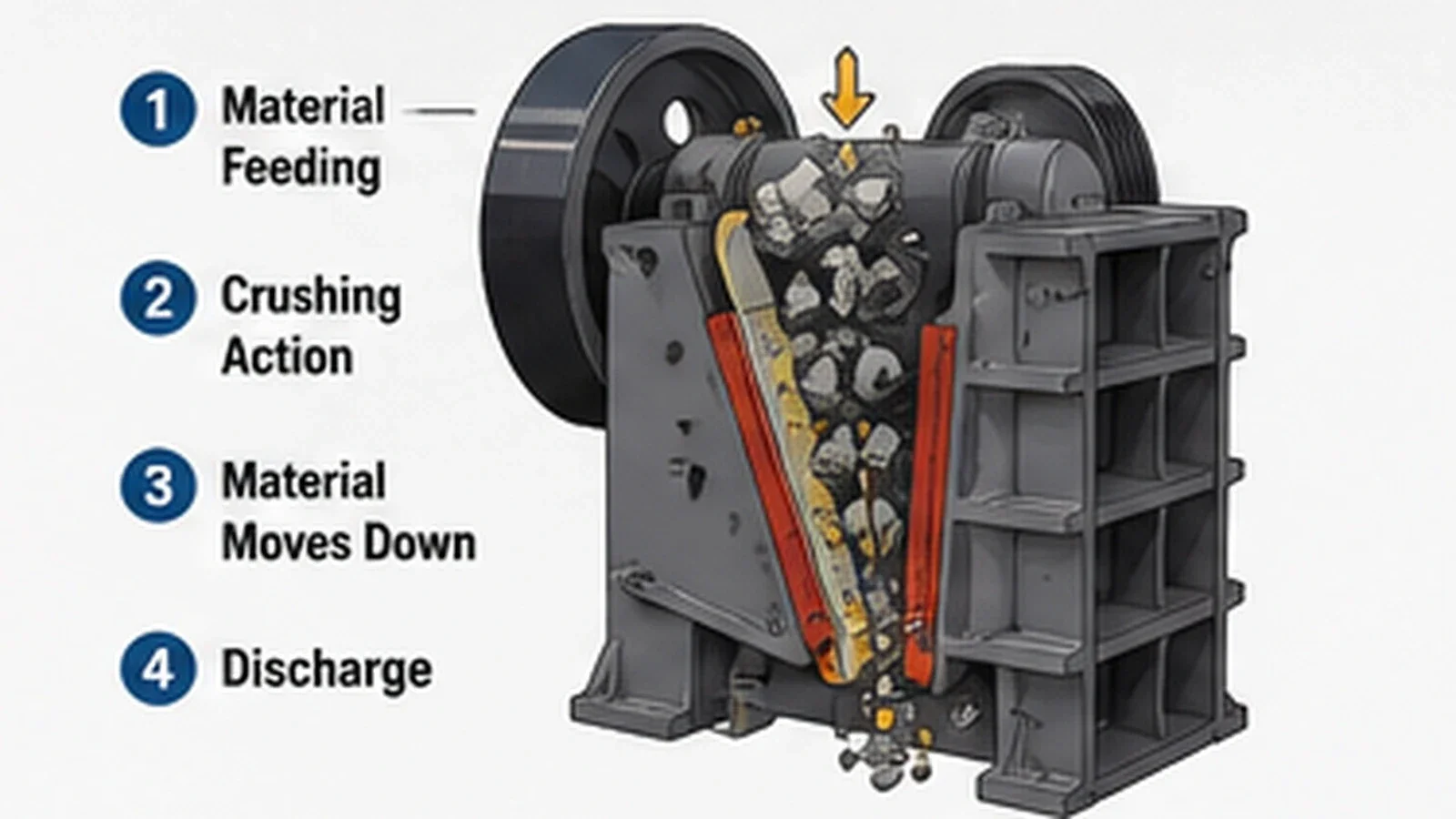
The working principle of a jaw crusher is based on repeated compression. Instead of using rotating hammers or impact forces, it breaks rocks by pressing them between two crushing surfaces.
The electric motor drives the pulley and flywheel arrangement. This movement rotates the eccentric shaft, which operates the moving jaw through the machine's mechanical arrangement.
When the moving jaw approaches the fixed jaw, the material gets compressed. The pressure causes cracks to develop in the rock, eventually breaking it into smaller pieces. As the jaw moves away, the material drops further into the chamber.
This movement continues until the crushed pieces can pass through the discharge opening.
The opening between the jaw plates influences the final material size. Operators can adjust the discharge setting according to the requirements of the next processing stage.
For example, a quarry supplying large aggregates may use a different setting from a plant producing smaller material for further crushing. The rock itself also makes a difference. Hard granite and softer limestone do not necessarily produce the same output under identical operating conditions.
This is why production capacity should always be considered alongside feed material and discharge settings rather than treated as a fixed number.
Main Components of a Jaw Crusher
A jaw crusher contains several parts, and each has a particular job during operation. Some generate the crushing movement, while others support the machine or come into direct contact with the rocks.
Jaw Plates: These plates form the crushing chamber. The fixed plate stays in position, while the moving plate applies pressure to the feed material. Their surface condition changes with use, particularly when processing abrasive rocks. Plate replacement is therefore an important part of machine maintenance.
Eccentric Shaft: The eccentric shaft creates the movement of the swinging jaw. Its rotation controls the mechanical action that allows the machine to crush material.
Toggle Plate: This component transfers movement through the jaw mechanism. In many traditional arrangements, it also provides mechanical protection against excessive loads.
Flywheel: The flywheel stores rotational energy and helps maintain the movement of the crushing mechanism. It works with the pulley and motor arrangement.
Pitman: The pitman connects the drive mechanism with the moving jaw. Its arrangement depends on the crusher design.
Crusher Frame: The frame holds the main components in position and withstands the forces generated during crushing. Its construction is particularly important for machines handling heavy rock loads.
A problem with any of these components can affect the machine's operation. Regular inspection helps identify wear before it develops into a larger maintenance issue.
Types of Jaw Crushers
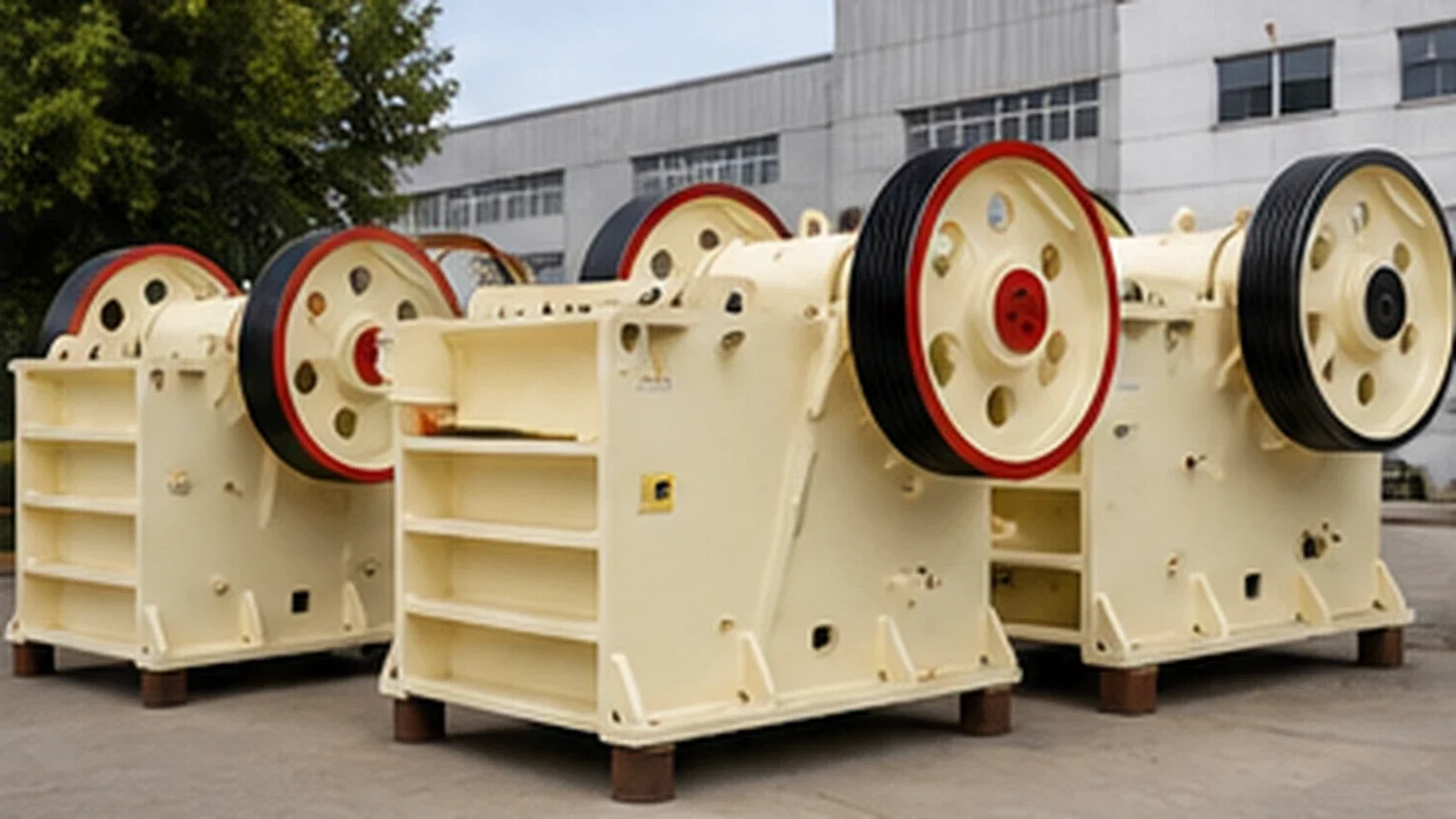
Not all jaw crushers use the same mechanical arrangement. Their designs differ in the way the moving jaw operates and where its pivot is positioned.
Single toggle and double toggle crushers are commonly used in industrial crushing applications. Blake and Dodge crushers are traditional designs that help explain different jaw movement arrangements.
1. Single Toggle Jaw Crusher
A Single Toggle Jaw Crusher operates with one toggle plate. The moving jaw is connected to the eccentric shaft and follows an elliptical movement during the crushing cycle.
Because of this movement, the jaw applies pressure while also creating a sliding action against the material. This helps crushed rocks travel down towards the discharge opening.
Single toggle machines are used in stone crushing plants, mining operations and aggregate production. Their relatively straightforward construction makes them a practical option for many primary crushing applications.
Mewar Hi-Tech's Single Toggle Grease Jaw Crusher includes an increased stroke arrangement, counterbalanced flywheel, cast steel jaw plates and hydraulic gap adjustment, as described in its product specifications.
For someone planning to purchase this machine, the important question is whether its configuration matches the material available at the site. Feed opening, expected tonnes per hour and jaw plate requirements should be checked before finalising the model.
2. Double Toggle Jaw Crusher
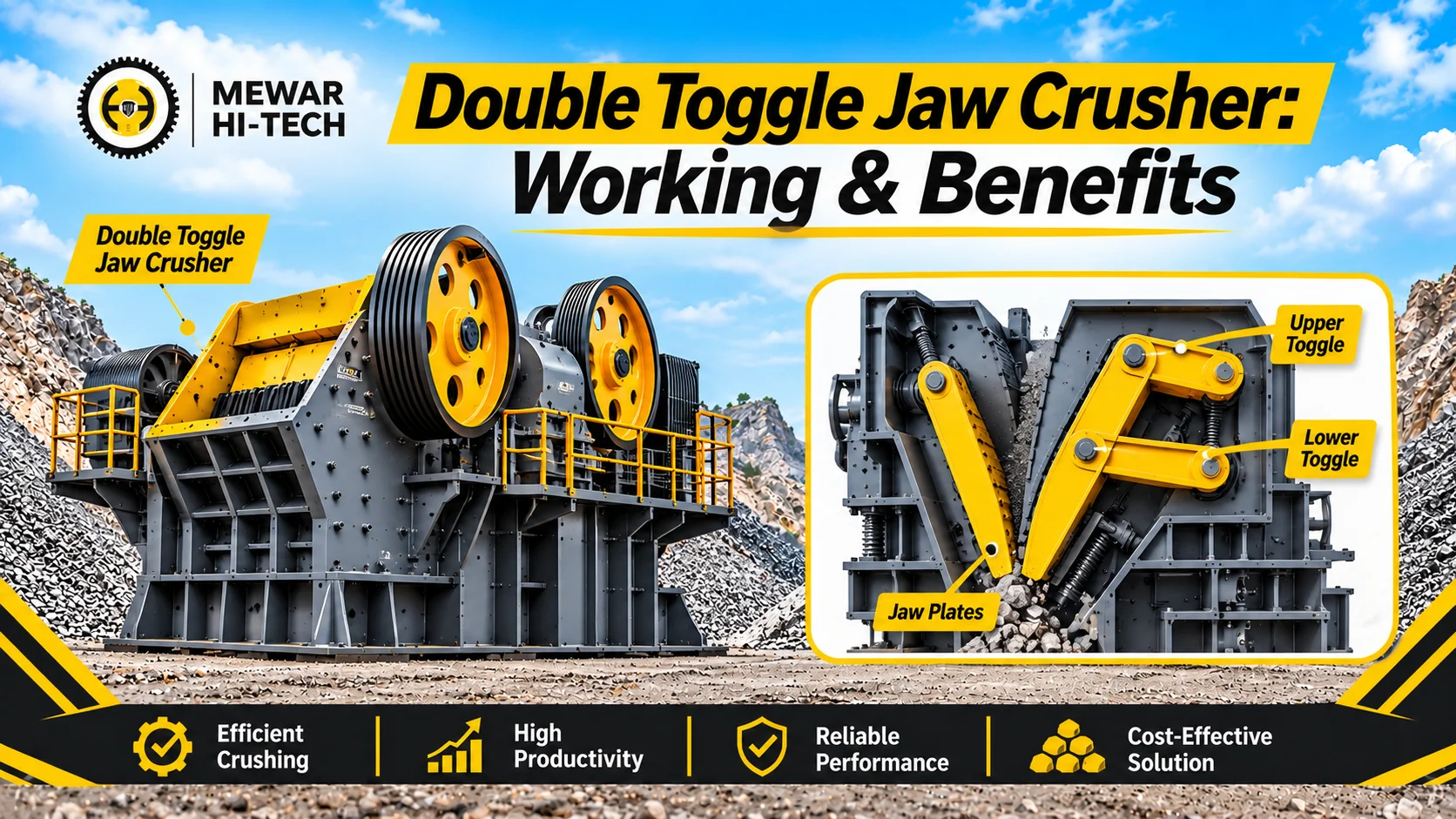
A Double Toggle Jaw Crusher uses two toggle plates in its operating arrangement. The eccentric shaft moves the pitman, which transfers movement through the toggle mechanism to operate the swinging jaw.
This arrangement is commonly considered for heavy-duty crushing applications involving hard rocks and demanding working conditions.
Mewar Hi-Tech manufactures Double Toggle Oil Jaw Crusher and Double Toggle Grease Jaw Crusher models. Both are designed around a double toggle mechanism, but their lubrication arrangements are different.
The Double Toggle Oil Jaw Crusher features an enclosed operating mechanism and an automatic continuous spray lubrication arrangement. Its design also includes a wide entry throat, balanced cast steel swing jaw and pull-back spring arrangement.
These details matter when comparing equipment for a quarry or mining plant. Buyers should ask about the lubrication system, maintenance intervals, feed size and available capacity rather than assuming that every double toggle crusher has the same specifications.
3. Blake Jaw Crusher
The Blake Jaw Crusher is a traditional design in which the moving jaw is pivoted at the top. Because of this position, the feed opening remains relatively fixed while the discharge opening changes during operation.
This arrangement allows large rocks to enter through the upper part of the machine before being reduced inside the crushing chamber.
Blake crushers can use either a single toggle or double toggle mechanism. The Blake name refers to the position of the jaw pivot, not a separate modern product category.
It is an important design to understand when studying conventional jaw crusher mechanisms and their development.
4. Dodge Jaw Crusher
The Dodge Jaw Crusher uses a different pivot arrangement. Its moving jaw is connected at the bottom rather than at the top.
This gives the machine a relatively fixed discharge opening while the feed opening changes during the crushing cycle.
There is one practical limitation with this design. Material can collect inside the crushing chamber, which makes it less suitable for continuous, high-capacity production.
For this reason, Dodge crushers are more commonly associated with laboratory and smaller-scale applications than large commercial quarry operations.
Applications of Jaw Crushers
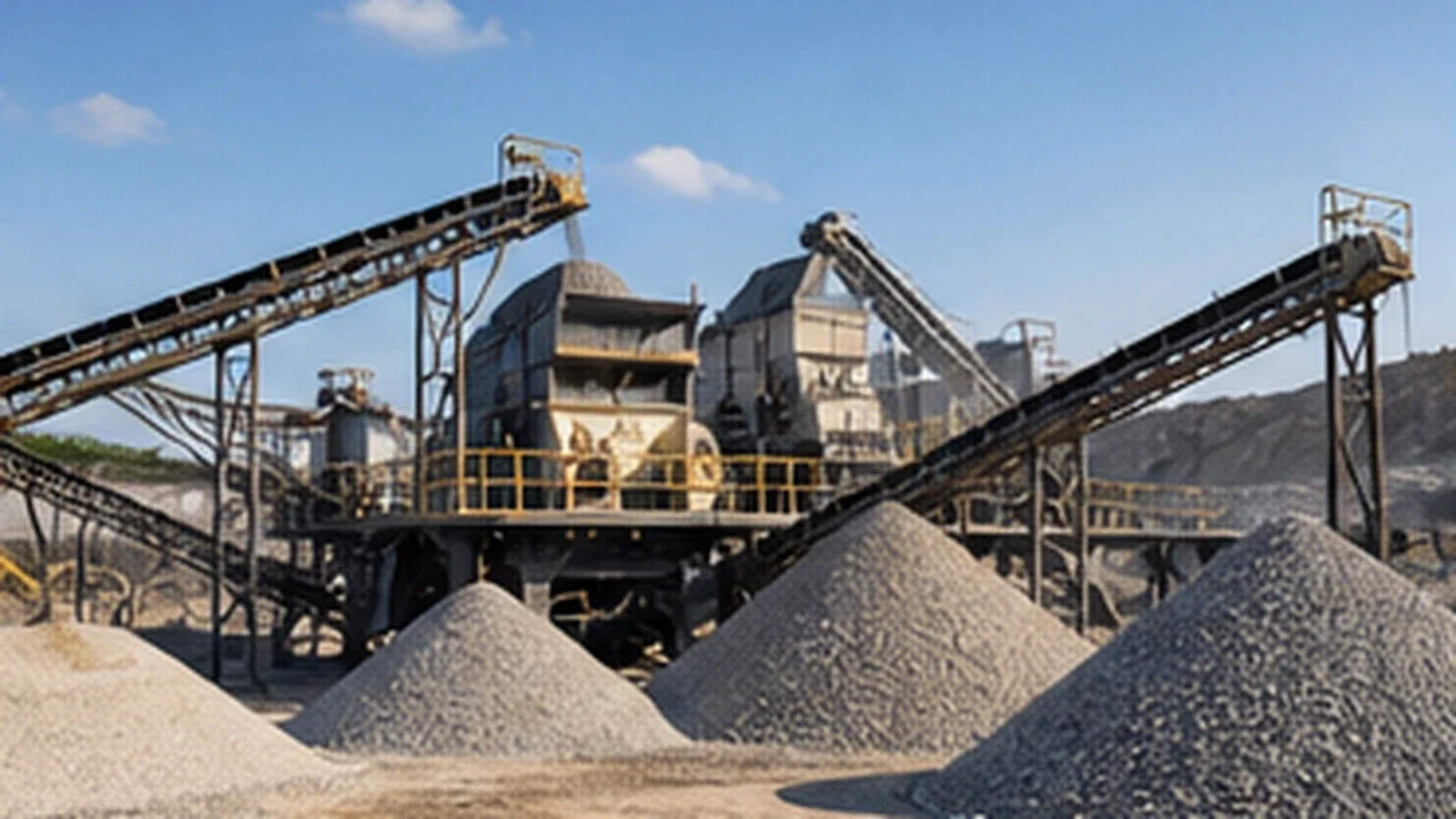
Jaw crushers are used in several industries, although their exact role depends on the material being processed and the layout of the plant.
In mining operations, they are commonly used to reduce extracted ores before further processing. Iron ore, copper ore and other mineral materials may pass through primary crushing before reaching the next stage.
Stone quarries use these machines to process granite, basalt and limestone. The crushed material is then screened into different sizes for road construction, concrete production and other infrastructure requirements.
They also have a place in construction and demolition recycling. Suitable concrete waste can be fed into a jaw crusher and reduced for further screening. The incoming material needs to be checked for metal and other unwanted objects.
In an aggregate production plant, the jaw crusher usually handles the first stage of size reduction. A Cone Crusher or HSI can be used for secondary crushing, depending on the rock and required product. VSI crushers may be added when improved particle shape or manufactured sand is needed.
The final equipment arrangement depends on the quality and size of the material the business wants to supply.
How to Choose the Right Jaw Crusher
A jaw crusher should be selected according to the conditions at the actual crushing site. Looking only at the machine's price or maximum capacity can lead to an unsuitable purchase.
Start with the feed material. Find out the maximum rock size entering the machine and check whether the feed opening can accommodate it. Oversized rocks can cause blockages and interrupt normal production.
Next, consider the required production rate. If the plant needs a particular number of tonnes per hour, compare that requirement with the manufacturer's capacity chart. Actual output can change with rock hardness, feed gradation and discharge settings.
The closed-side setting (CSS) also deserves attention. It influences the size of the material leaving the crushing chamber and should be suitable for the next processing stage.
For abrasive materials such as granite, jaw plate quality and replacement costs are worth discussing with the manufacturer. A suitable wear-part arrangement can make a difference to maintenance planning.
Also check motor power, installation space, spare parts availability and after-sales support. Requesting a technical specification sheet before placing an order helps avoid confusion later.
Jaw Crusher Maintenance Tips
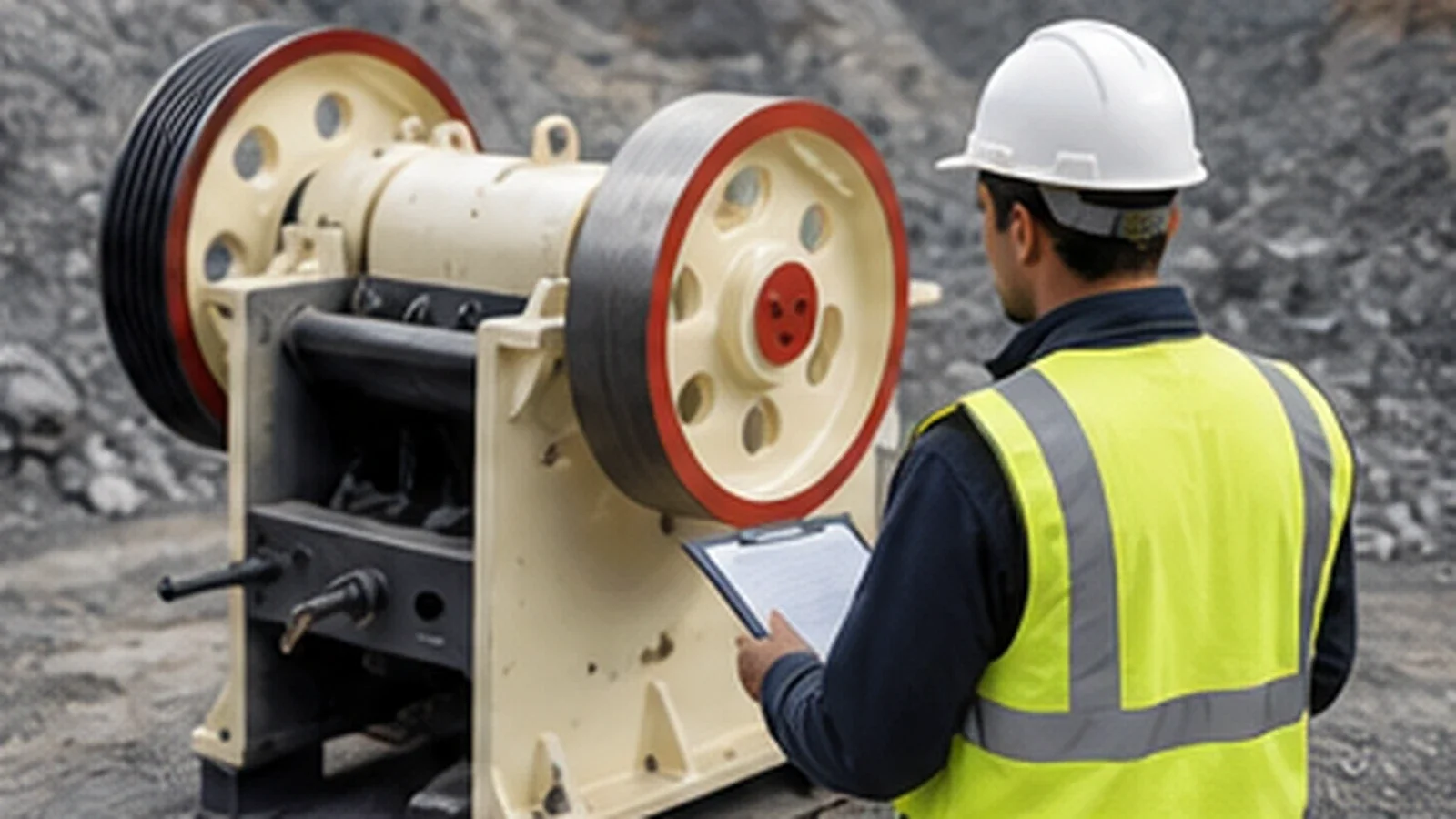
A jaw crusher handles heavy material throughout its working life. Small maintenance problems can affect production if they are ignored for too long.
Jaw plates should be inspected for uneven wear and damage. When their condition begins to affect the crushing chamber, replacement should be planned according to the manufacturer's instructions.
Bearings and lubrication points need regular attention. Using the correct lubricant at the recommended intervals helps protect moving components from unnecessary wear.
The eccentric shaft, toggle arrangement and drive components should also be checked during scheduled inspections. Unusual noise, vibration or overheating may indicate that something needs attention.
Feeding practice is another part of maintenance. Operators should avoid sending oversized or unsuitable material into the crushing chamber. A consistent feed helps maintain stable operation.
Keeping records of inspections and replacement parts is useful for plant managers. It helps them understand which components require frequent attention and plan servicing around production schedules.
Find the Right Jaw Crusher for Your Application
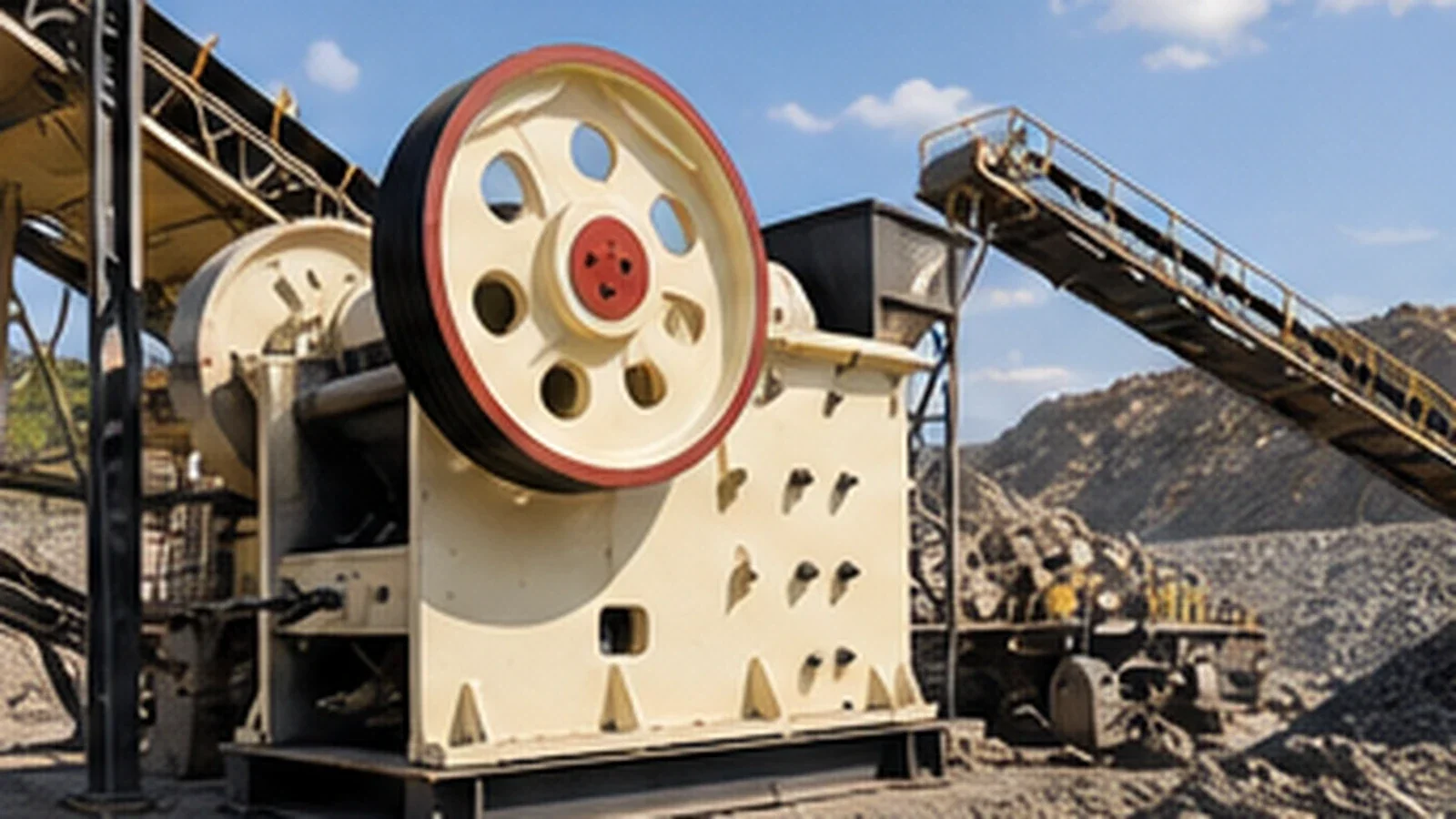
A crusher selected for one quarry may not be the right choice for another. Material characteristics, feed size and daily production requirements should guide the final decision.
Mewar Hi-Tech offers Single Toggle Grease, Double Toggle Grease and Double Toggle Oil Jaw Crushers for different primary crushing requirements.
Before requesting a quotation, share details about the rock type, maximum feed size, required output and expected tonnes per hour. Ask for the relevant capacity chart and technical specifications so that available models can be compared properly.
Taking these details into account before purchasing helps businesses choose equipment that fits their actual crushing requirements.