What Is a Roll Crusher and How Does It Work?
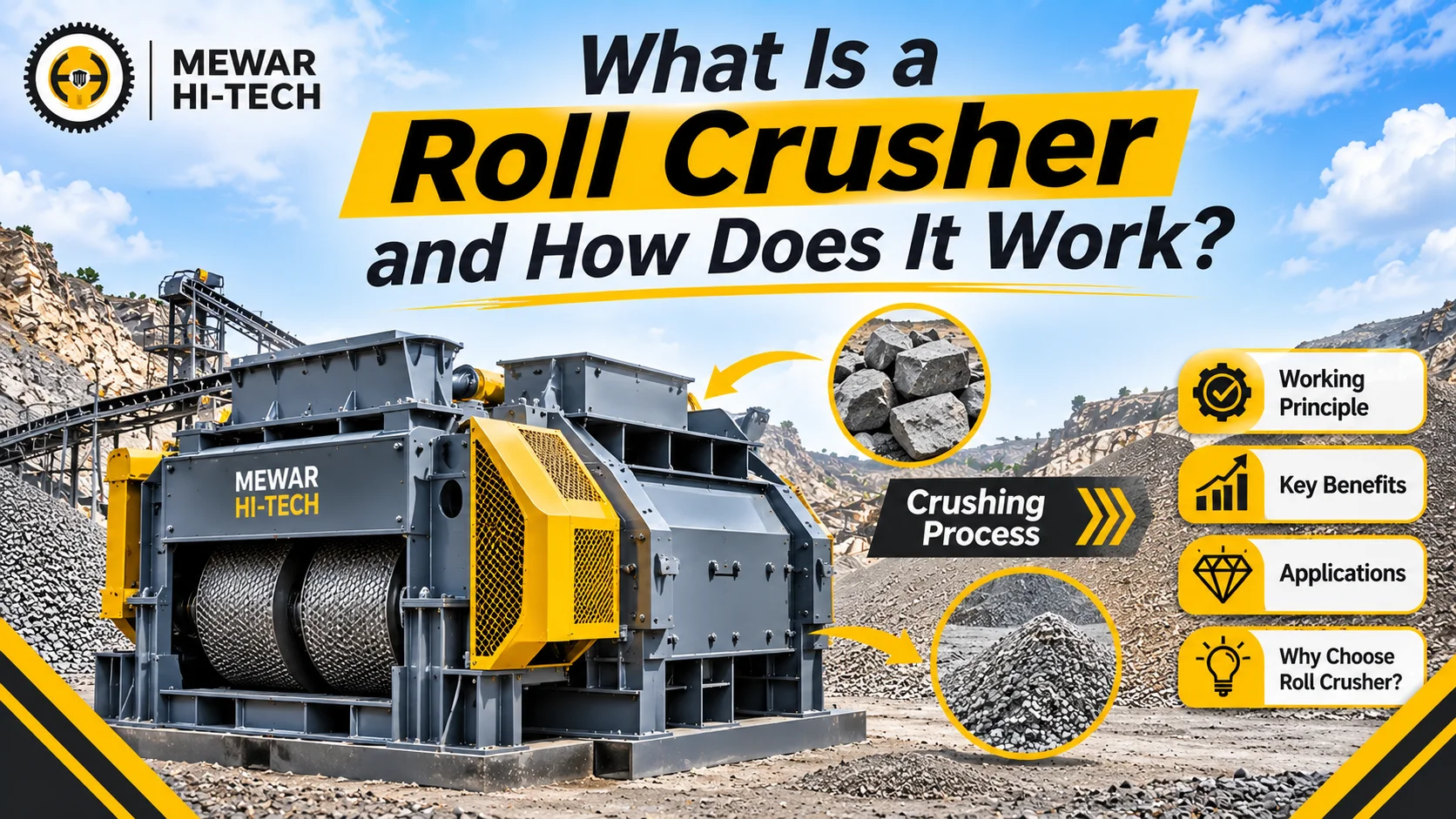
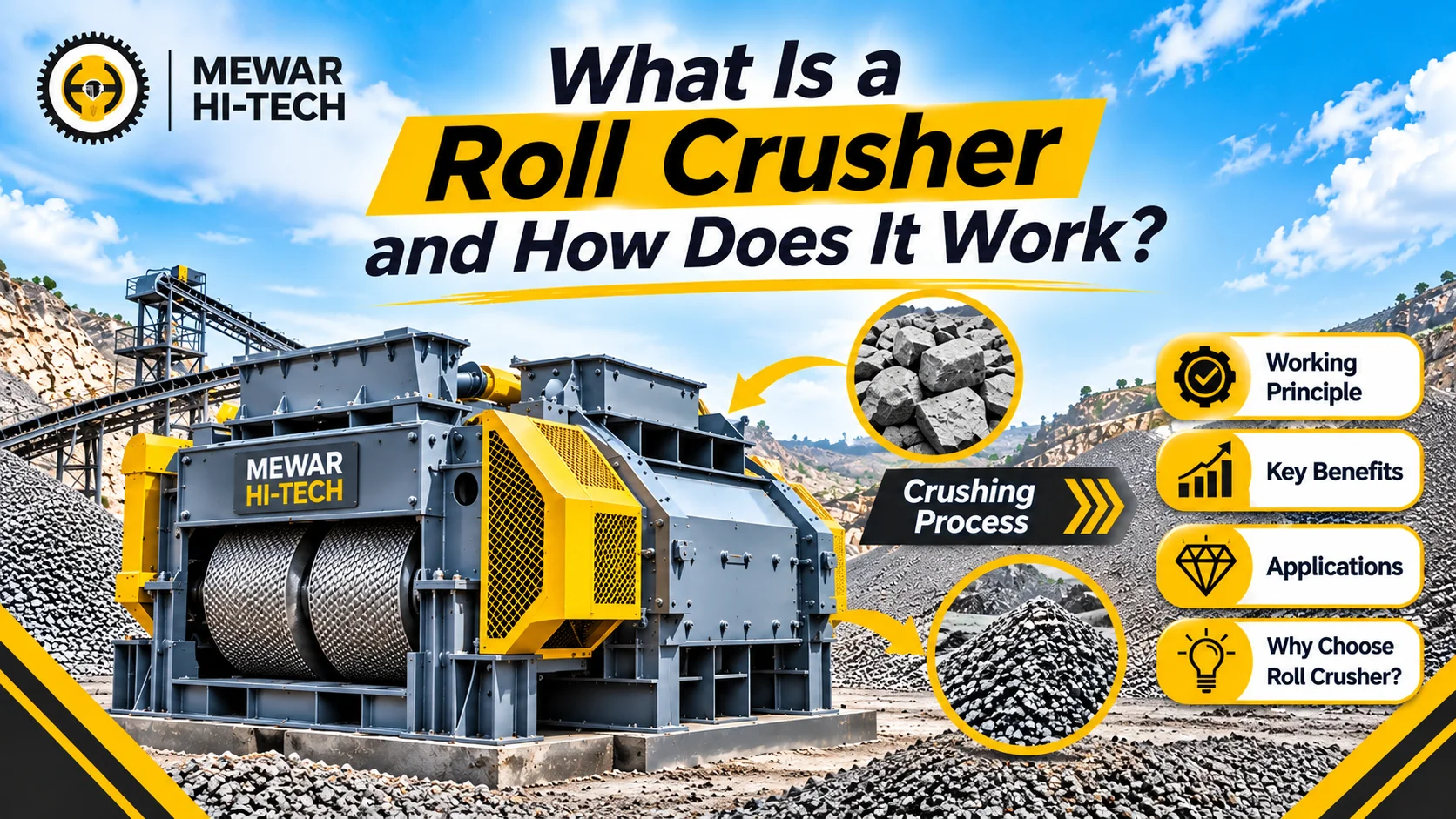
Crushing equipment plays an important role in mining, quarrying and mineral processing industries. Different materials require different crushing methods depending on their hardness, size and final application. A roll crusher is one such machine used for reducing material size through controlled compression between rotating rolls. It is commonly selected for applications where consistent output size and controlled crushing are important.
Understanding what is a Roll Crusher and how it works helps businesses select suitable machinery for their production requirements. From coal and limestone processing to mineral crushing and industrial material handling, this equipment can support different stages of size reduction. However, selecting the right machine requires attention to roll diameter, surface design, feed size and required output.
What Is a Roll Crusher?
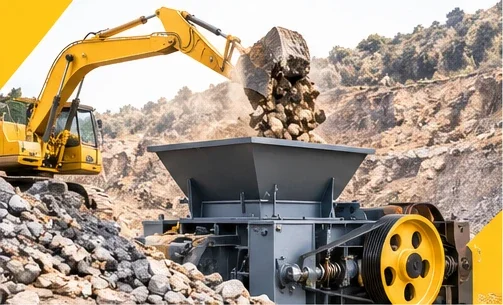
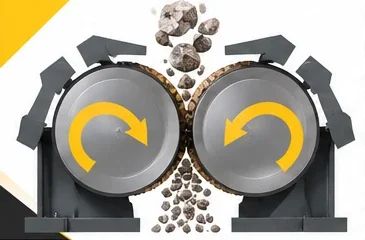
A roll crusher is a mechanical crushing machine that reduces large pieces of material into smaller particles using rotating cylindrical rolls. Depending on the machine configuration, it may use two rotating rolls or a single roll working against a fixed crushing plate. In a double roll arrangement, both rolls rotate towards each other and pull the incoming material into the crushing zone.
The material is reduced mainly through compressive force as it passes through the gap between the rolls. The distance between the rolls determines the approximate maximum size of the discharged material. This makes a roll crusher machine useful for operations that require controlled product sizing.
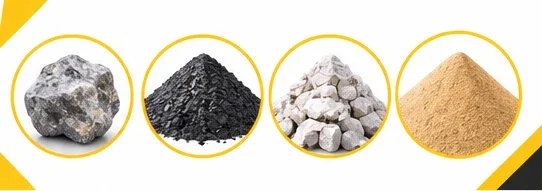
Industrial roll crushers are used for processing coal, limestone, coke, clay, minerals and other suitable materials. Their actual performance depends on material characteristics and machine specifications. They are particularly useful where excessive production of fine particles needs to be controlled.
How Does a Roll Crusher Work?
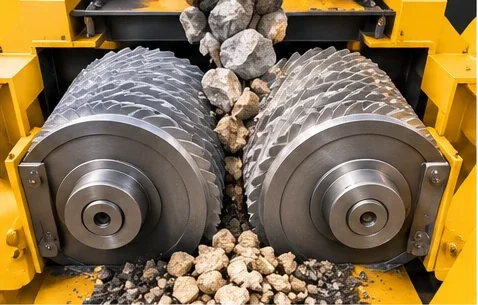
The roll crusher working process is based on the movement of rotating rolls and the pressure applied to the material. Raw material enters through the feeding arrangement and moves towards the crushing chamber. As the rolls rotate in opposite directions, their surfaces grip the material and pull it into the narrow space between them.
When the material reaches the crushing zone, pressure is applied from both sides. This force breaks larger pieces into smaller particles. The reduced material then passes through the opening between the rolls and falls into the discharge section.
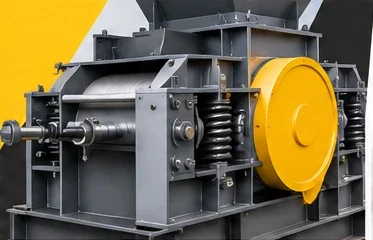
The roll gap can be adjusted according to the required output size. Some machines also include a movable roll arrangement supported by spring or hydraulic protection to handle occasional uncrushable material.
A consistent feed rate is important for maintaining stable operation. Uneven feeding can affect crushing performance and lead to inconsistent product sizing.
Roll Crusher Working Principle Explained
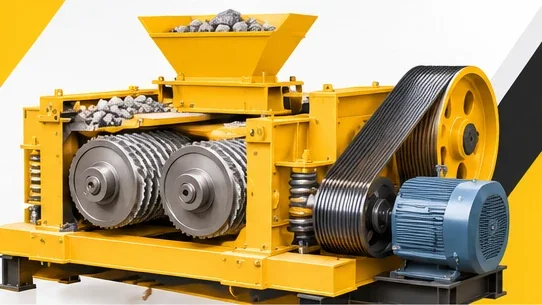
The roll crusher working principle mainly involves compression and, depending on the roll surface and configuration, additional shearing action. When a particle enters between the rotating rolls, friction helps hold it in place. The rolls then apply pressure until the particle breaks.
The angle formed between the roll surfaces at the point where the material enters is known as the nip angle. It influences whether the rolls can grip and draw the material into the crushing chamber. If the feed particle is too large compared with the roll diameter, it may not enter the crushing zone properly.
The gap between the rolls is another important operating factor. A smaller gap generally produces a finer product, while a wider gap allows larger particles to pass through. However, the final product size also depends on material properties, roll profile and operating conditions.
This controlled crushing process makes roll crushers suitable for applications where predictable material reduction is more important than achieving a very high reduction ratio in a single stage.
Main Components of a Roll Crusher Machine

A roller crusher machine consists of several mechanical components that work together to provide stable crushing performance. The main frame supports the complete assembly and maintains the alignment of the crushing rolls.
The crushing rolls are the main working components. Their surfaces may be smooth, corrugated or toothed depending on the type of material being processed. Roll shafts support the rolls and transfer the rotational force generated by the drive system.
Bearings allow the shafts to rotate smoothly under operating loads. The motor and transmission arrangement provide the power required to rotate the rolls. The feeding hopper directs material towards the crushing chamber, while the discharge opening allows the reduced material to leave the machine.
The gap adjustment mechanism helps operators control the discharge size. In some designs, spring-loaded or hydraulic arrangements provide protection against uncrushable objects entering the crushing chamber.
Types of Roll Crushers Used in Industries
Different types of roll crushers are available to handle different material conditions and production requirements. The selection depends on feed size, material hardness, crushing stage and the required output.
Single Roll Crusher
A single roll crusher uses one rotating roll working against a stationary breaker plate. The material enters the chamber and gets reduced through a combination of compression, impact and shearing action. This arrangement is commonly considered for certain primary crushing applications involving coal and other suitable materials.
Double Roll Crusher
A double roll crusher contains two parallel rolls that rotate towards each other. Material passes between the rolls and gets crushed under pressure. This configuration is commonly used for secondary and fine crushing where controlled product sizing is required.
Smooth Roll Crusher
Smooth roll crushers use rolls with relatively even surfaces. They are suitable for crushing brittle materials where a more controlled reduction is needed. The gap between the rolls can be adjusted to influence the final product size.
Toothed Roll Crusher
Toothed roll crushers have specially designed teeth or projections on their roll surfaces. These help grip larger material pieces and improve the feeding action. They are commonly used for suitable materials such as coal, limestone and other relatively soft or medium-hard materials.
Roller Crusher Diagram and Machine Design
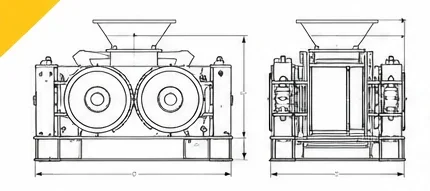
A roller crusher diagram helps explain the internal arrangement and material movement inside the machine. In a typical double roll crusher diagram, the feeding hopper is positioned above two parallel rolls. The rolls rotate towards each other, creating a narrow crushing gap through which the material passes.
The main elements shown in a roller crusher diagram generally include the feeding hopper, rotating rolls, roll shafts, bearing housings, drive arrangement, adjustment mechanism, supporting frame and discharge opening.
Roller crusher design has a direct effect on machine performance and operating life. Roll diameter and width influence the material handling capacity, while roll surface profiles affect how effectively the feed is gripped and crushed. The strength of the frame and shaft assembly is also important because these components experience continuous mechanical loads.
A well-planned design should provide proper roll alignment, reliable bearing support, convenient gap adjustment and access for maintenance. The final configuration should match the material and production requirements rather than relying on machine size alone.
Applications of Roll Crusher in Different Industries
Roll crushers are used across several industries where controlled size reduction is required. In mining and mineral processing plants, they can be used to reduce suitable ores and minerals before further processing.
Coal handling plants use roll crushers to reduce coal into smaller sizes for transportation, preparation and industrial use. Cement manufacturing units may use them for processing suitable raw materials and other brittle substances.
In the construction material industry, roll crushers can process limestone and selected aggregates depending on their hardness and feed characteristics. They are also used in chemical, metallurgical and industrial mineral processing operations.
The machine should always be selected according to the physical properties of the material. Highly abrasive or extremely hard feed may require a different crushing arrangement to achieve better operating economics.
Factors to Consider Before Buying a Roll Crusher
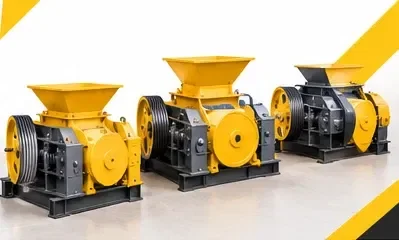
Choosing the right roll crusher machine involves more than comparing the external dimensions or purchase price. Businesses should first understand the type of material they need to process, including its hardness, moisture content, abrasiveness and maximum feed size.
The required production capacity is another important consideration. A machine should be capable of handling the expected feed rate without creating unnecessary operating pressure. Roll diameter, roll width and rotational speed should be evaluated according to the intended application.
The required discharge size also matters because the roll gap determines the approximate top size of the final product. Buyers should also check the roll surface material, bearing quality, drive arrangement and availability of replacement parts.
Maintenance access and after-sales support should not be ignored. A machine that is easier to inspect and maintain can help reduce unnecessary downtime during regular production.
Roll Crusher Formula and Capacity Calculation
The roll crusher formula is useful for understanding some of the basic factors involved in crushing operations. The theoretical capacity of a smooth double roll crusher can be estimated using the following relationship:
Q = 60 × π × D × N × L × S × ρ × K
Where:
Q = Theoretical capacity in tonnes per hour when density is expressed in tonnes per cubic metre.
D = Roll diameter in metres.
N = Roll speed in revolutions per minute.
L = Effective roll length in metres.
S = Effective discharge gap in metres.
ρ = Bulk density of the material in tonnes per cubic metre.
K = A dimensionless correction factor accounting for filling and operating conditions.
This is a simplified theoretical estimate rather than a guaranteed production figure. Actual capacity depends on material properties, feed distribution, roll profile, operating gap and machine efficiency. Manufacturers should verify the required capacity through application-specific calculations and material testing.
Roll Crusher Price in India: What Affects the Cost?

Roll crusher price in India varies according to machine configuration, manufacturing quality and production requirements. A small industrial machine and a heavy-duty crushing unit will have different costs because their construction, drive systems and material handling capacities are not the same.
Roll diameter, roll width, motor power and the type of roll surface can influence the overall price. Special requirements such as hydraulic gap adjustment, protective arrangements and customised construction may also affect the quotation.
Before comparing prices, buyers should evaluate the machine's expected capacity, suitable feed material, output size and maintenance requirements. A lower initial purchase cost may not always provide better long-term value if the machine requires frequent maintenance or does not match the application.
For an accurate roll crusher price, it is advisable to share the material type, required capacity, feed size and desired discharge size with the manufacturer.
Choosing the Right Roll Crusher Manufacturer in India

Finding a suitable roll crusher manufacturer in India is an important step for businesses planning to install or upgrade their crushing plant. Buyers should consider the manufacturer's experience in crushing equipment, engineering capabilities and understanding of different industrial applications.
The quality of the rolls, shafts, bearings and drive components should be evaluated before making a purchase. It is also useful to understand the available machine configurations and whether the manufacturer can recommend a suitable design for the intended material.
Businesses searching for roller crusher manufacturers in India should compare technical specifications rather than making decisions based only on price. Reliable technical guidance, spare parts availability and after-sales assistance can make a difference to long-term machine performance.
Mewar Hi-Tech offers crushing and screening equipment for industrial material processing requirements. Businesses looking for a roll crusher manufacturer can explore its product range and discuss their application requirements to identify a suitable crushing solution.
Conclusion

A roll crusher is a practical size-reduction machine for industries that require controlled crushing of suitable materials. Its operation depends on the interaction between rotating rolls, material properties and the gap maintained between the crushing surfaces. Understanding the roll crusher working principle, machine design, capacity and application requirements helps businesses make better equipment selection decisions.
Before purchasing a roller crusher machine, it is important to evaluate the expected production capacity, feed characteristics, output size and maintenance requirements. Choosing equipment that matches the actual crushing application can support consistent production and improve the overall efficiency of a processing plant.
For industrial crushing and screening requirements, Mewar Hi-Tech provides equipment solutions designed around different material processing applications. Contact the team to discuss your requirements and explore suitable machinery for your plant.