Cone Crusher vs VSI for the Final Crushing Stage

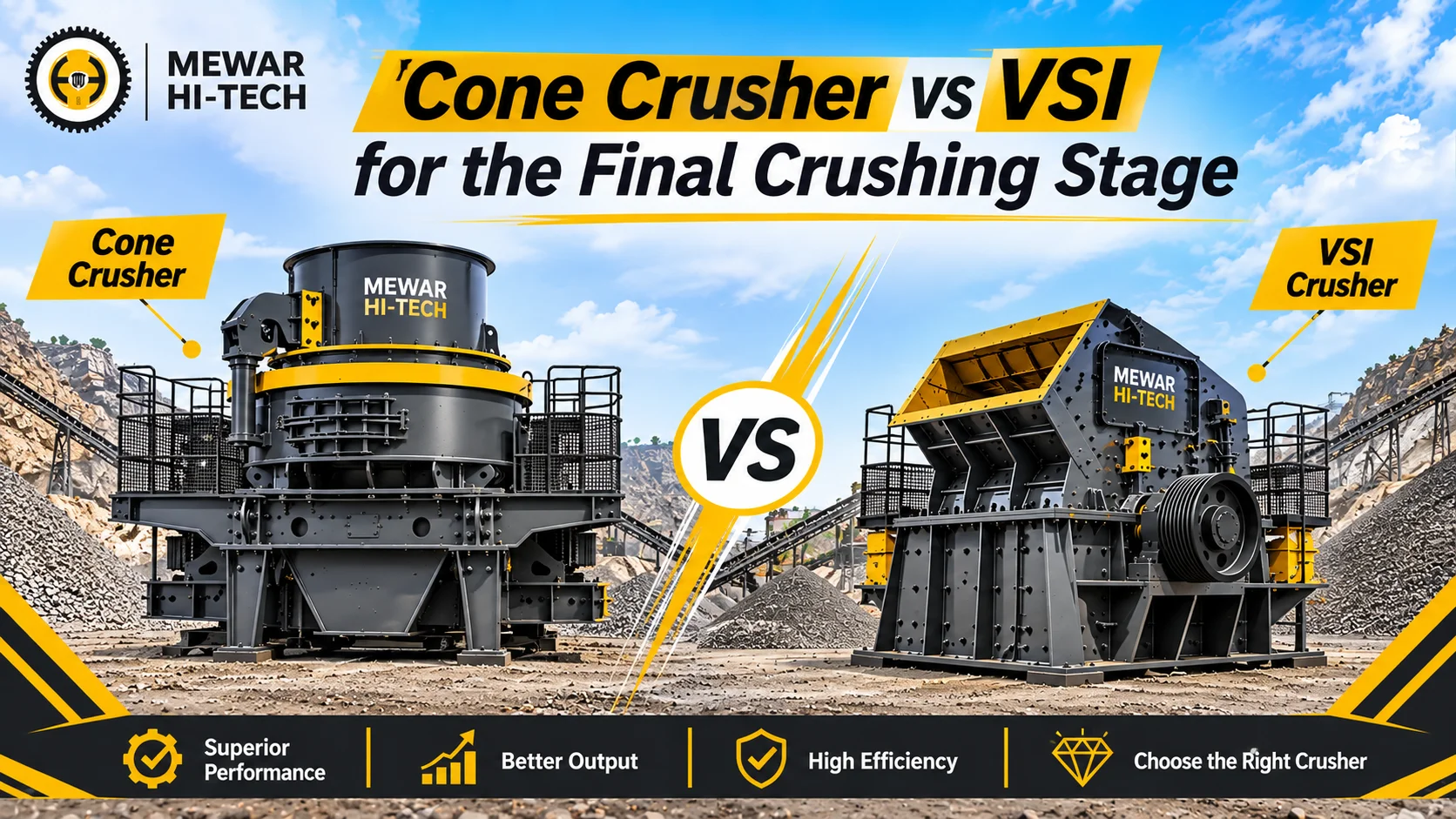
Selecting the right crusher for the final crushing stage is important for maintaining product quality and controlling production costs in an aggregate plant. When businesses plan to produce construction aggregates, manufactured sand or graded stone materials, choosing between a Cone Crusher and a VSI Crusher can directly affect the final output. Both machines are used in tertiary crushing applications, but their working principles and production capabilities are different.
The decision around cone crusher vs VSI depends on the type of raw material, required particle size, production capacity and the quality of aggregate needed in the market. A cone crusher is commonly selected for reducing hard and abrasive stones into smaller sizes, while a VSI crusher is preferred when particle shape and fine material production are important.
For quarry owners and aggregate manufacturers, understanding these differences helps in making a practical equipment investment. Instead of selecting a machine based only on its capacity, businesses should consider how well it matches their production requirements and long-term operating costs.
Understanding the Role of Final Crushing in Aggregate Production
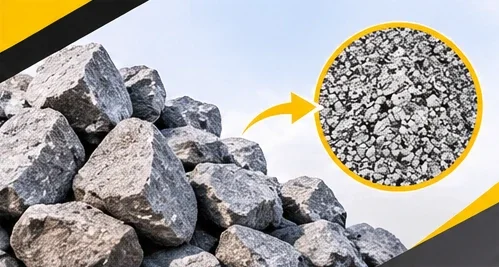
The final crushing stage is responsible for bringing crushed material closer to the required product specifications. After primary and secondary crushing, stones may still need additional size reduction or shaping before they can be supplied for construction and infrastructure projects.
The quality of the final aggregate depends on several factors, including particle size distribution, shape, hardness and the percentage of unwanted fines. Concrete and road construction applications often require aggregates with controlled grading and suitable particle geometry.
A tertiary crusher helps achieve these requirements by processing material that has already passed through earlier crushing stages. Depending on the plant configuration, manufacturers may use a cone crusher, VSI crusher or a combination of both.
For example, a quarry producing 10 mm and 20 mm aggregates may require consistent size reduction, whereas a manufactured sand plant may need additional particle shaping. This is why tertiary crusher selection should begin with the final product requirement rather than the machine specifications alone.
How Does a Cone Crusher Work in the Final Crushing Stage?
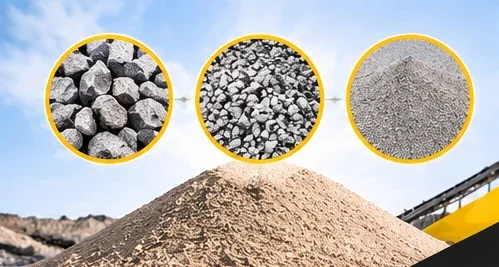
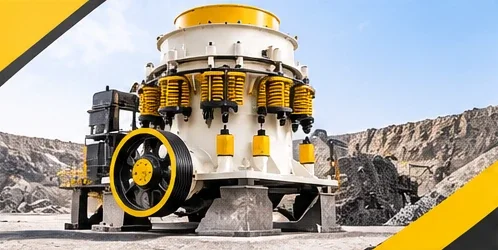
A Cone Crusher uses a compression-based crushing mechanism to reduce stones into smaller particles. Material enters the crushing chamber and gets compressed between the moving mantle and the stationary concave liner. This repeated compression breaks the rock into smaller sizes as it moves through the chamber.
In tertiary crushing applications, cone crushers are used when the incoming material needs further size reduction before screening and grading. They are suitable for processing hard rocks such as granite, basalt and other abrasive materials, depending on the crusher design and operating conditions.
One of the main advantages of a cone crusher is its ability to handle continuous production requirements. With suitable chamber selection and controlled feeding, it can maintain a consistent flow of crushed material. Its closed-side setting also allows operators to adjust the output size according to plant requirements.
A tertiary cone crusher is particularly useful in plants producing graded aggregates for concrete, road construction and other infrastructure applications. It can reduce the load on additional processing equipment by bringing material closer to the required size.
However, the final particle shape depends on feed conditions, crushing chamber design and machine settings. When the main requirement is producing highly cubical particles or manufactured sand, additional shaping equipment may be necessary.
How Does a VSI Crusher Work in the Final Crushing Stage?
A VSI Crusher, also known as a Vertical Shaft Impactor, uses high-speed impact to break and shape stones. Unlike a cone crusher, which works through compression, a VSI accelerates material through a rotating rotor and directs it towards a rock bed or impact surface.
During this process, stones collide with other particles or impact surfaces. These collisions help break sharp edges and produce more uniform, cubical particles. This makes VSI crushers useful in applications where aggregate shape is an important product specification.
A VSI crusher is commonly installed in the tertiary or final processing stage of aggregate plants. It is particularly valuable in manufactured sand production, where the required output includes smaller particles with controlled shape and grading.
Another advantage is its ability to improve the quality of certain aggregate fractions that may contain elongated or irregular particles. However, its performance depends on feed size, material characteristics, rotor speed and operating configuration.
VSI crushers can also generate additional fine material during the crushing process. Therefore, screening and classification equipment may be required to maintain the desired product grading.
Cone Crusher vs VSI: Key Differences for Final Crushing
Although both machines can be used in tertiary crushing, their applications are not exactly the same. A cone crusher focuses mainly on size reduction through compression, whereas a VSI crusher is commonly selected for particle shaping and fine aggregate production.
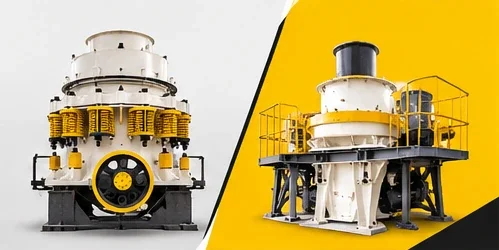
The following comparison highlights the important factors businesses should evaluate before purchasing either machine.
| Comparison Factor | Cone Crusher | VSI Crusher |
| Crushing principle | Compression | High-speed impact |
| Main purpose | Size reduction | Particle shaping and fine crushing |
| Product shape | Depends on feed and settings | Produces more cubical particles |
| Suitable applications | Tertiary aggregate crushing | Manufactured sand and aggregate shaping |
| Feed material | Suitable for relatively larger, controlled feed | Requires properly sized feed |
| Fines production | Generally lower | Generally higher |
| Main wear components | Mantle and concave liners | Rotor tips, anvils and wear plates |
| Typical plant position | Secondary and tertiary stages | Tertiary and quaternary stages |
| Main operating controls | Closed-side setting and feed conditions | Rotor speed and feed configuration |
The comparison shows that neither machine is automatically the best choice for every crushing plant. The right option depends on the material being processed and the specifications of the final product.
Which Crusher Produces Better Aggregate Shape?
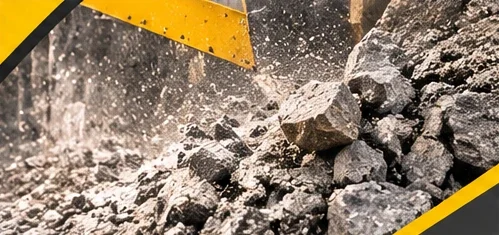
Aggregate shape is an important factor when producing materials for concrete, asphalt and road construction. Irregular, flaky and elongated particles can affect how aggregates pack together and perform in construction applications.
A cone crusher can produce good aggregate shape when operated with suitable chamber settings and consistent feed conditions. Its performance is particularly useful when processing hard rock and producing different aggregate sizes. However, particle shape may vary depending on the feed gradation and crushing conditions.
A VSI crusher generally has an advantage when improved particle shape is the main objective. Its impact-based crushing action helps reduce sharp edges and produce more cubical particles. This makes it suitable for applications where the market demands better-shaped aggregates or manufactured sand.
For businesses supplying premium construction materials, improved aggregate shape can help meet customer specifications and increase the commercial value of the finished product.
However, particle shape should not be the only selection factor. Excessive fines generation, material wastage and additional classification requirements must also be considered when evaluating the overall production cost.
Tertiary Crusher Selection: Factors Businesses Should Consider

Choosing the right machine requires more than comparing technical specifications. A crusher that performs well in one quarry may not deliver the same results in another because rock properties and production requirements can vary.
Material Hardness and Abrasiveness
The hardness and abrasiveness of raw material influence equipment selection and wear-part consumption. Cone crushers are widely used for hard and abrasive materials because their compression-based crushing action is suitable for these applications. VSI crushers can also process different rock types, but wear costs should be carefully evaluated when handling highly abrasive feed.
Required Production Capacity
Production capacity is another important consideration. Businesses should evaluate the actual tonnes per hour required from the complete crushing plant rather than relying only on the rated capacity of an individual machine. Feed size, moisture, screening efficiency and recirculating material can all influence actual output.
Final Product Size and Shape
The required aggregate size should guide the equipment selection. If the main objective is producing consistent 10 mm, 20 mm or 40 mm aggregate, a tertiary cone crusher may be suitable. If the plant needs manufactured sand or improved particle geometry, a VSI crusher may provide additional value.
Operating and Maintenance Costs
Purchase price is only one part of the total investment. Electricity consumption, replacement wear parts, maintenance requirements and production downtime should also be included in the cost calculation. Comparing the cost per tonne of saleable material gives a more realistic understanding of machine performance.
Existing Plant Configuration
The available space, conveyor arrangement, vibrating screen capacity and material flow should also be checked. Installing a new crusher without considering the existing plant layout can create production bottlenecks and increase material handling costs.
Can a Cone Crusher and VSI Crusher Work Together?
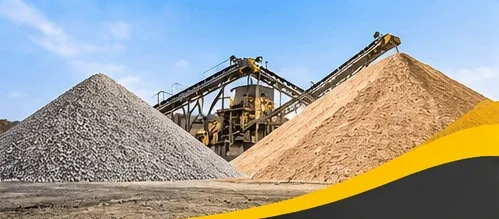
Yes. In many aggregate production plants, using both machines in the same crushing circuit can be a practical solution.
A cone crusher can first reduce hard rock into the required intermediate sizes. After screening, a selected portion of the material can be transferred to a VSI crusher for additional shaping or manufactured sand production.
This arrangement allows the cone crusher to handle the main size reduction requirement while the VSI focuses on improving the shape of the final material. It can also help businesses produce multiple aggregate grades from the same raw material source.
For example, a quarry producing construction aggregates and M-sand may use a cone crusher for its regular aggregate production and a VSI crusher for the sand-making process. The final configuration depends on feed characteristics, product specifications and the required production volume.
However, installing both machines increases the initial investment and requires proper screening, conveyor and material handling arrangements. Businesses should evaluate whether the additional product value justifies the investment.
Which Crusher Should You Choose for Your Crushing Plant?
The choice between a cone crusher and VSI crusher should be based on the main production objective.
A cone crusher is a suitable option for businesses that process hard and abrasive rocks and require reliable size reduction with continuous production. It is particularly useful for tertiary aggregate crushing where controlled product sizes and plant capacity are important.
A VSI crusher is a better option when the business focuses on manufactured sand, improved aggregate shape and fine material production. It helps process suitable feed into more cubical particles and can improve the quality of the finished product.
For plants handling multiple product requirements, a combination of both machines may offer better production flexibility. The important point is to select equipment that matches the actual feed material, target output and expected operating cost.
Conclusion
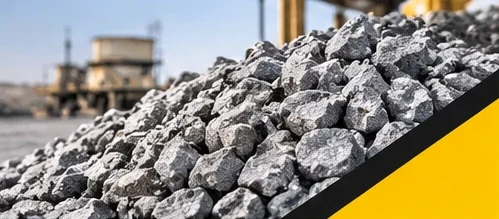
Both Cone Crusher and VSI Crusher have an important role in modern aggregate production. Their applications may overlap in tertiary crushing, but their main functions are different. A cone crusher is generally preferred for size reduction of hard and abrasive materials, while a VSI crusher is useful for improving particle shape and producing manufactured sand.
Before making a purchase, businesses should evaluate material characteristics, production capacity, aggregate specifications and maintenance expenses. A well-planned crushing circuit can improve production consistency and reduce unnecessary operating costs.
Mewar Hi-Tech provides crushing and screening equipment for mining, quarrying and aggregate production requirements. Businesses looking for a suitable Cone Crusher or VSI Crusher can explore its equipment range and select a crushing solution based on their plant requirements. Choosing the right machine is an important step towards achieving consistent output and long-term production efficiency.