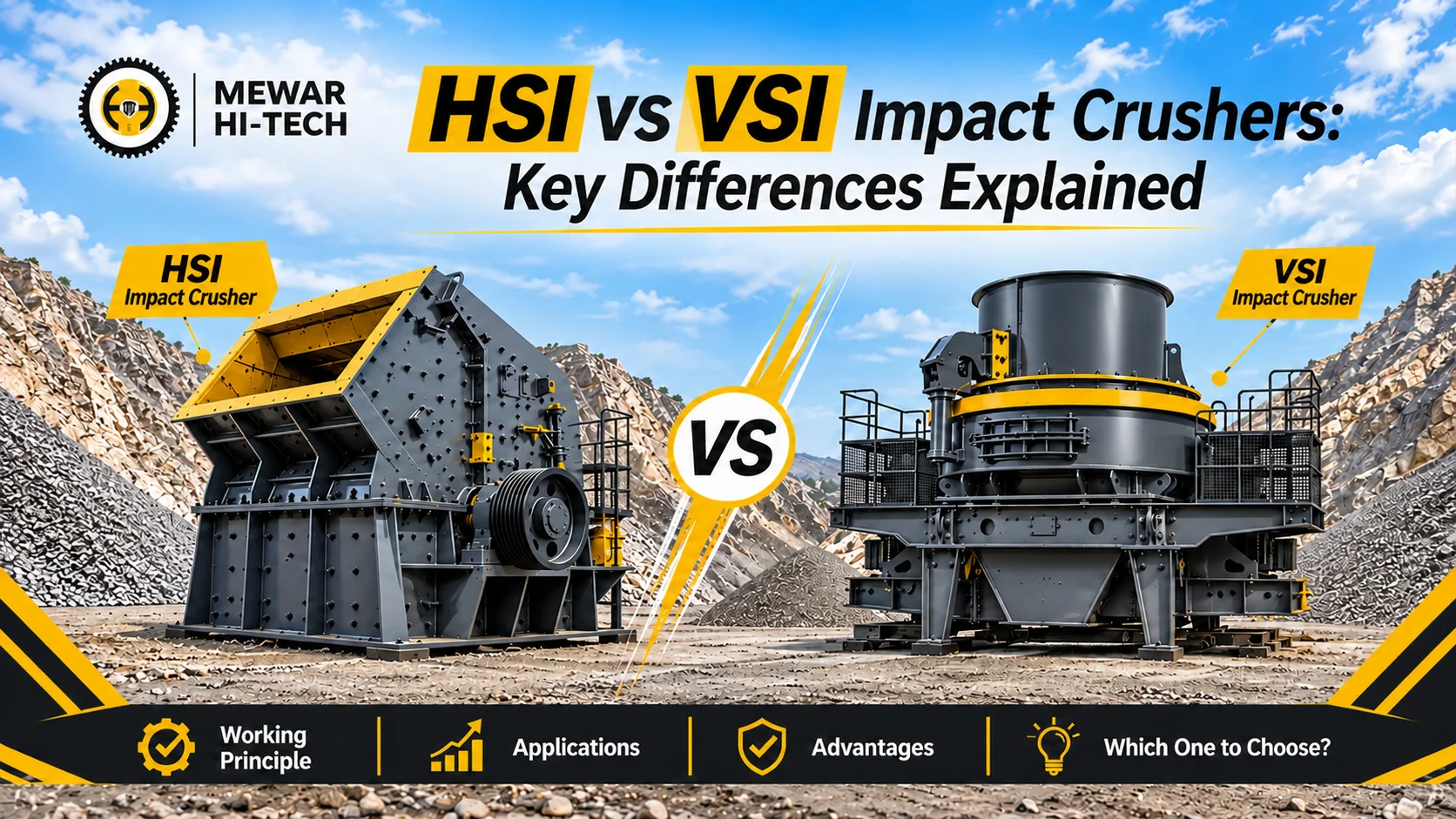
HSI vs VSI Impact Crushers: Key Differences Explained

The right crushing equipment affects the productivity and output quality of a material processing plant. Mining, quarrying, construction and aggregate operations use crushers to reduce rocks to the required size. Impact crushers break material through high-speed impact.
Two common types are the Horizontal Shaft Impactor (HSI) and Vertical Shaft Impactor (VSI). Both use impact force, but their rotor design, crushing action and applications differ. Understanding the HSI vs VSI impact crusher difference helps plant operators select equipment based on feed material, production targets and final product requirements.
An HSI is often used for primary or secondary crushing, while a VSI is commonly used for tertiary crushing, aggregate shaping and manufactured sand. The choice depends on the process, not simply the machine name.
What Is an HSI Impact Crusher?
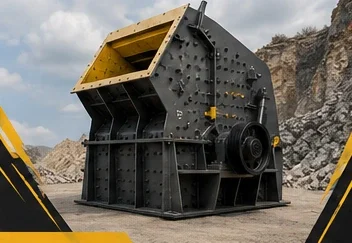
A Horizontal Shaft Impactor, also called an HSI crusher or horizontal shaft impact crusher, uses a horizontally mounted rotor to break material. Replaceable blow bars or hammers are attached to the rotor. As it turns at high speed, these parts strike the incoming rocks and throw them against stationary impact plates, also called breaker plates or aprons.
Material is reduced through repeated impacts inside the crushing chamber. It exits when it reaches a size that can pass through the discharge opening. Depending on its design and configuration, an HSI can process limestone, concrete, asphalt and other suitable rocks.
HSI crushers are used in primary and secondary crushing, especially when a plant needs substantial size reduction and a useful aggregate shape.
How Does an HSI Crusher Work?
Material enters through the feed opening and moves towards the rotating blow bars. The bars strike the material and propel it towards the impact aprons. Further breakage occurs as material hits the plates or collides with other particles.
Product size depends on rotor speed, apron settings, feed and machine configuration. Feed material and output must remain within the manufacturer's recommendations.
What Is a VSI Impact Crusher?
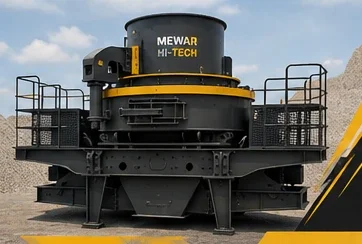
A Vertical Shaft Impactor, commonly called a VSI crusher, has a vertically positioned rotor. Rather than using horizontal blow bars to strike the material, a VSI accelerates particles outwards through centrifugal force.
Material is fed into the centre of the rotor. The rotating unit throws it towards the surrounding crushing chamber, where breakage occurs through rock-on-rock or rock-on-anvil action. In rock-on-rock designs, particles collide with a bed of material. In rock-on-anvil designs, they strike metal surfaces.
VSI crushers are commonly used for tertiary or quaternary crushing. They are particularly useful when a plant requires finer material, manufactured sand or well-shaped aggregates.
How Does a VSI Crusher Work?
The feed moves into the centre of the vertical rotor and is distributed at high velocity towards the outer chamber. The particles break during impact with other rocks or anvils. Configuration affects crushing action, wear and output.
Output depends on rotor speed, feed rate, material and settings. Application testing can confirm whether the VSI meets shape and consistency requirements.
Important Differences Between HSI & VSI Impact Crushers
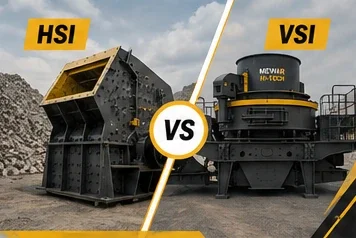
HSI and VSI crushers are both impact machines, but their design determines where they work best. An HSI typically focuses on reducing larger feed material, while a VSI is often used to refine pre-crushed material and improve particle shape.
| Comparison factor | HSI Impact Crusher | VSI Impact Crusher |
| Full form | Horizontal Shaft Impactor | Vertical Shaft Impactor |
| Rotor position | Horizontal | Vertical |
| Crushing action | Blow bars throw material against impact plates | Rotor accelerates material against rocks or anvils |
| Common crushing stage | Primary and secondary | Tertiary and quaternary |
| Feed | Usually larger, depending on model | Usually pre-crushed material |
| Main purpose | Size reduction | Fine crushing and shaping |
| Product shape | Can produce cubical aggregate | Often selected for highly cubical product |
| Wear parts | Blow bars and impact plates | Rotor tips, anvils and liners |
| Applications | Quarrying, mining, recycling | Aggregate shaping and manufactured sand |
| Suitability | Depends on feed hardness and abrasiveness | Depends on material and crushing configuration |
1. Difference in Rotor Design
An HSI has a horizontal shaft with blow bars attached to the rotor. These bars strike material directly and move it through the crushing chamber. A VSI has a vertical shaft and a rotor that distributes material outwards. It uses particle velocity and collision rather than the same blow-bar-and-apron arrangement.
The rotor position affects material flow and the crushing stage for which each machine is selected.
2. Difference in Crushing Mechanism
An HSI uses direct impact. Blow bars hit the feed and throw it against stationary aprons. Repeated collisions reduce the material before it leaves the chamber.
A VSI uses centrifugal acceleration. Material travels from the centre of the rotor towards the outside at high speed, then breaks against rocks or metal anvils. Both work well when matched to the feed and product specification.
3. Difference in Crushing Applications
HSI crushers are commonly used for primary and secondary crushing of suitable materials, including limestone and selected quarry rocks. They are also used in recycling operations where concrete or asphalt can be processed with the appropriate machine setup.
VSI crushers are more often installed in later crushing stages. They help produce finer particles, improve aggregate shape and manufacture sand. The choice depends on process flow and target product.
4. Difference in Product Shape and Size
An HSI reduces material through impacts between the blow bars, rocks and impact plates. It can produce well-shaped aggregates and achieve considerable size reduction, depending on feed and machine settings.
A VSI is frequently chosen when particle shape is a priority. Its high-speed impact action, particularly in rock-on-rock configuration, can help produce cubical fine aggregates and manufactured sand. Product gradation depends on feed, rotor speed, settings and screening.
5. Difference in Maintenance and Wear Parts
HSI maintenance commonly involves checking blow bars, impact plates and rotor components. These parts experience repeated impact and need inspection for wear or damage.
VSI maintenance focuses on rotor tips, anvils, liners and material distribution components. Rock-on-rock operation may reduce direct contact with some metal parts, but wear still depends on material abrasiveness and operating conditions. Regular inspection and replacement of worn parts help maintain quality and prevent downtime.
Applications of HSI and VSI Impact Crushers
The machines may serve different roles, based on material, feed size and required product.
HSI Crusher Applications
HSI crushers are used in mining and quarrying to reduce suitable rocks for further processing. In aggregate plants, the output may be used for road construction, concrete and infrastructure projects.
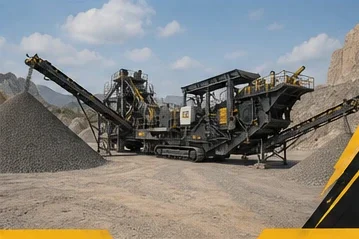
They are also used in construction and demolition recycling. A correctly configured HSI can process suitable concrete and asphalt into reusable aggregate. Mobile impact equipment can be helpful when material needs to be crushed at a project site rather than transported to a fixed plant.
VSI Crusher Applications
VSI crushers are used for manufactured sand and aggregate shaping. They process pre-crushed material into finer products for construction and infrastructure work. In aggregate plants, a VSI can help improve particle shape when cubical material is required.
They also perform final-stage shaping or size reduction. Material testing helps confirm the configuration.
What Is a Mobile HSI Crusher and Where Is It Used?
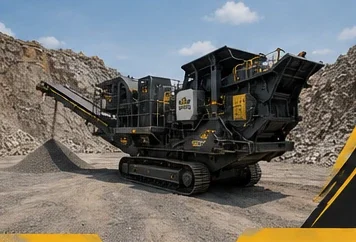
A mobile HSI crusher is a horizontal shaft impact crushing unit mounted on a mobile platform, commonly tracked or wheeled. It can be moved between project locations, unlike a stationary crusher fixed within a plant.
Mobile HSI crushers are used in quarrying, road construction, temporary crushing projects and construction waste recycling. Processing suitable material closer to where it is generated may reduce hauling requirements and provide flexibility on site.
A mobile HSI may include a feeder, screen and conveyors. Selection still depends on feed size, capacity, material, site access and output; mobility alone does not ensure lower costs.
How to Choose Between an HSI and VSI Crusher?
Start with the material being processed. Hardness, abrasiveness, moisture and feed size can affect crushing performance, wear and operating cost. The equipment must be suitable for the material and remain within the manufacturer's specifications.
Next, consider the required crushing stage. An HSI may be appropriate for primary or secondary reduction of suitable feed. A VSI may be a better fit when the plant needs finer material, aggregate shaping or manufactured sand. The desired product gradation and shape should be clearly defined before selecting a machine.
Production capacity is another factor. The crusher should match the required tonnes per hour and operate in coordination with feeders, screens and conveyors. A mismatch between equipment can restrict the output of the entire circuit.
Compare maintenance access, wear-part intervals, energy use and service support. Discuss feed samples and output specifications with the manufacturer to confirm suitability.
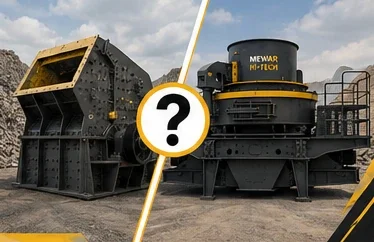
HSI vs VSI Impact Crusher: Which One Is Better for Your Plant?
Neither machine is universally better. An HSI is generally considered when the plant needs to reduce comparatively larger feed during primary or secondary crushing. A VSI is commonly considered for finer crushing, aggregate shaping and manufactured sand production.
| Plant requirement | Commonly suitable option |
| Primary crushing of suitable feed | HSI |
| Secondary crushing | HSI |
| Fine aggregate production | VSI |
| Manufactured sand production | VSI |
| Improved particle shape | VSI |
| Concrete or asphalt recycling | HSI, subject to material and setup |
| Final-stage aggregate shaping | VSI |
Some plants use both: an HSI for initial reduction and a VSI for refining and shaping. This depends on feed, aggregate sizes and plant design.
Before selecting equipment, review feed size, material hardness, production capacity, wear costs and product specifications. Mewar Hi-Tech offers crushing and screening equipment for mining, quarrying and aggregate processing applications. Businesses planning to improve their crushing operations can assess their material and production requirements with Mewar Hi-Tech to identify a suitable equipment solution.