Sand Washing Machine Manufacturer: Choosing the Right Sand Washer

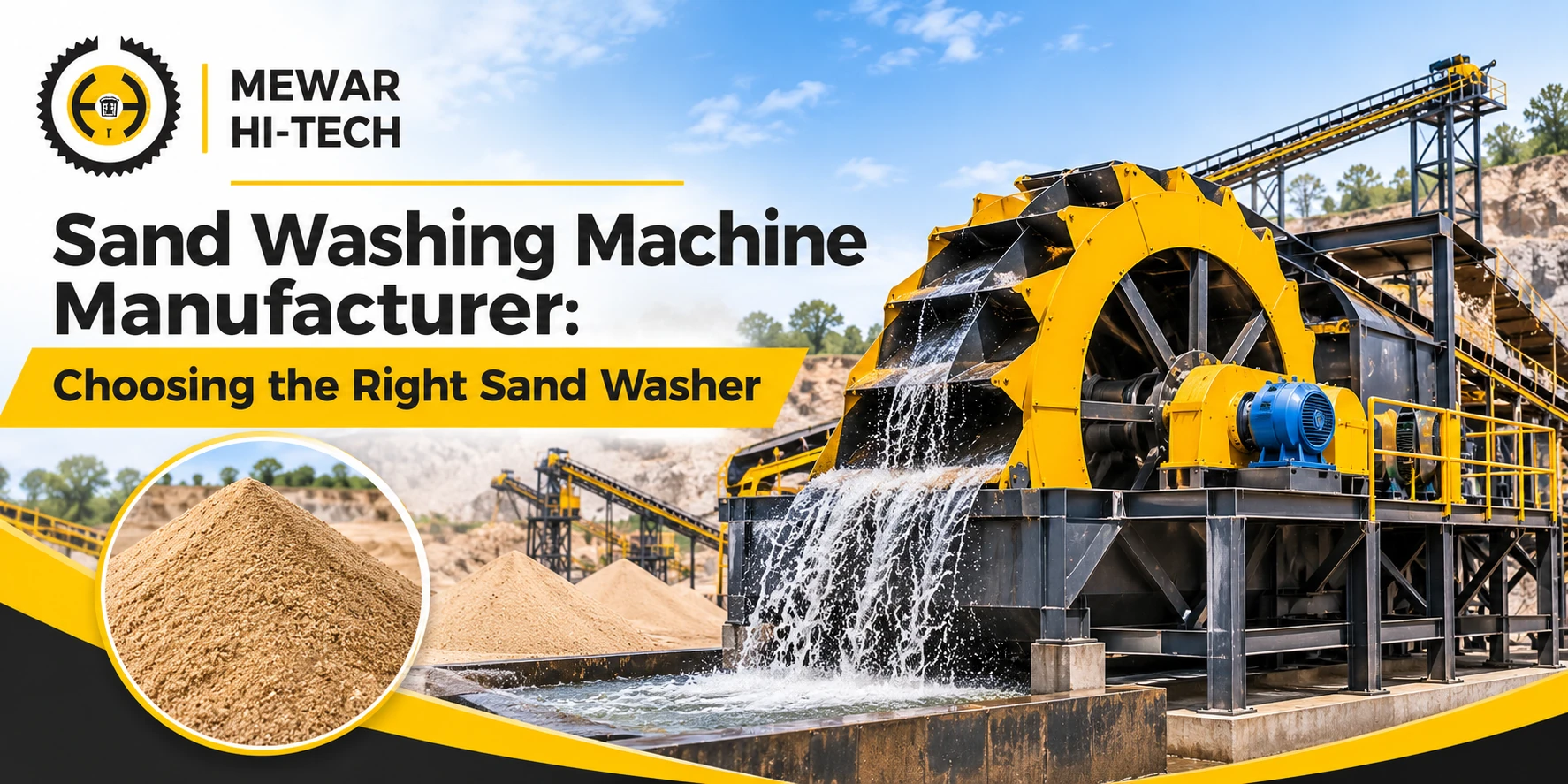
Sand collected from a quarry or produced through stone crushing is not always ready for use. It may contain stone dust, clay, silt and other unwanted particles. These materials can affect the quality of the final sand, particularly when it is intended for concrete, construction or other applications where consistent grading matters.
This is where a Sand Washer becomes useful. It cleans sand by using water and mechanical movement to separate unwanted particles from the usable material. Depending on the feed quality and plant arrangement, washing equipment can also help with sand classification and removal of excess water.
For quarry owners and aggregate producers, buying a sand washing machine is a practical business decision. The equipment needs to match the quantity of sand being processed, the level of contamination and the quality expected by customers. A small unit may be sufficient for a limited operation, while a larger plant may need several washing and recovery stages.
Understanding the equipment before requesting a quotation can help buyers compare manufacturers and avoid selecting a machine that does not suit their material.
What Is a Sand Washer?
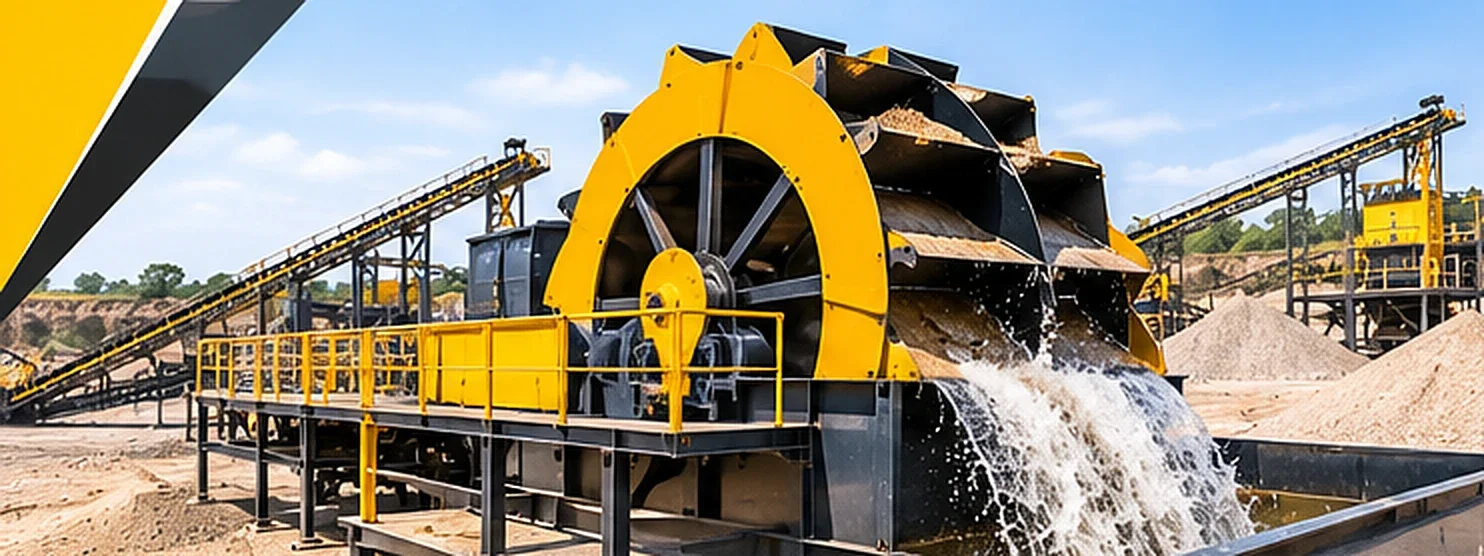
A Sand Washer is equipment used to clean sand and remove unwanted impurities such as clay, silt, soil and loose dust. It is commonly installed in quarrying, mining and manufactured sand production plants.
During operation, raw sand is mixed with water and moved through a washing mechanism. Mechanical agitation helps loosen dirt attached to the grains, while water carries lighter unwanted particles away. The cleaned sand is then collected and discharged for further processing or storage.
A sand washing machine is not simply used to make sand look cleaner. Its purpose is to improve the condition of the material before it reaches the customer or enters another production process.
The equipment is useful for natural sand as well as manufactured sand produced by crushing rocks. In an M-Sand plant, for example, the washing stage can help control excess stone powder and unwanted fine particles.
The machine selected should depend on the material entering the plant. Sand containing loose dust has different washing requirements from material with sticky clay or a high silt content.
Why Is Sand Washing Important in Aggregate Production?
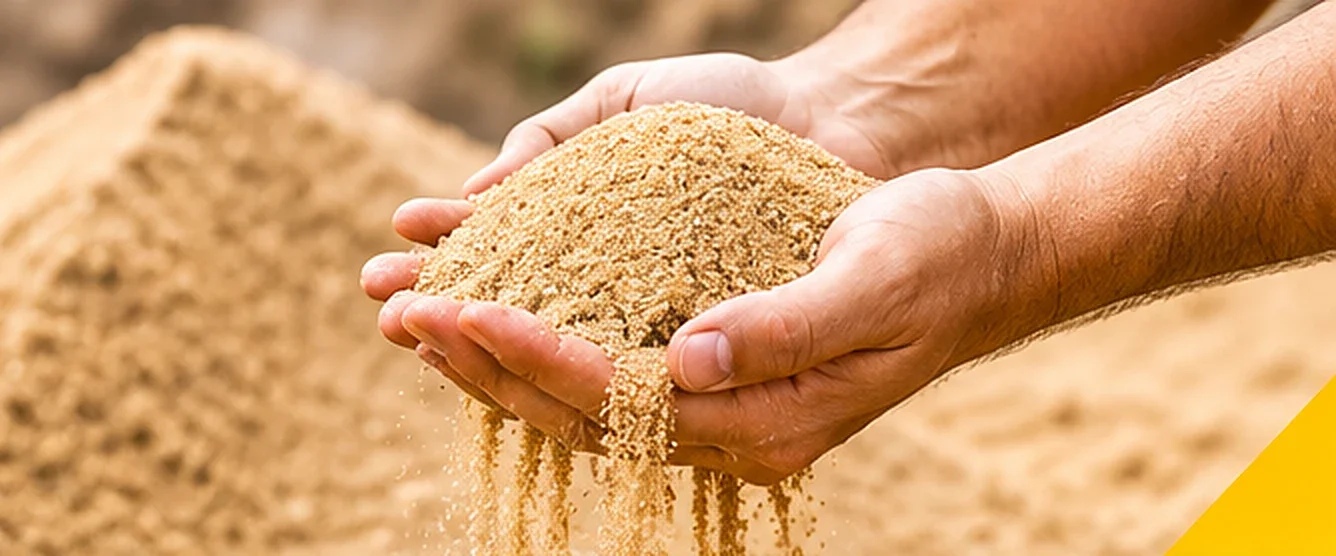
The quality of sand affects the performance of the finished product. When too much clay, silt or unwanted dust remains in the material, it can create problems for businesses supplying construction-grade sand.
For concrete production, excess fine impurities may influence water demand and the consistency of the mix. Construction material buyers also expect sand to meet the grading and cleanliness requirements of their applications.
Quarry operators face another problem. Unwashed material may be difficult to sell at the expected quality level. In some cases, it needs additional processing before customers will accept it.
Sand washing helps address these issues by removing unwanted particles and producing a more consistent material. It is particularly relevant to plants producing M-Sand, where crushing and screening can leave fine dust mixed with the usable sand.
However, washing alone cannot correct every problem. The incoming material, screening arrangement and final grading requirements must also be considered. A suitable washing system should be selected after checking the actual feed rather than assuming that every sand source needs the same treatment.
How Does a Sand Washing Machine Work?
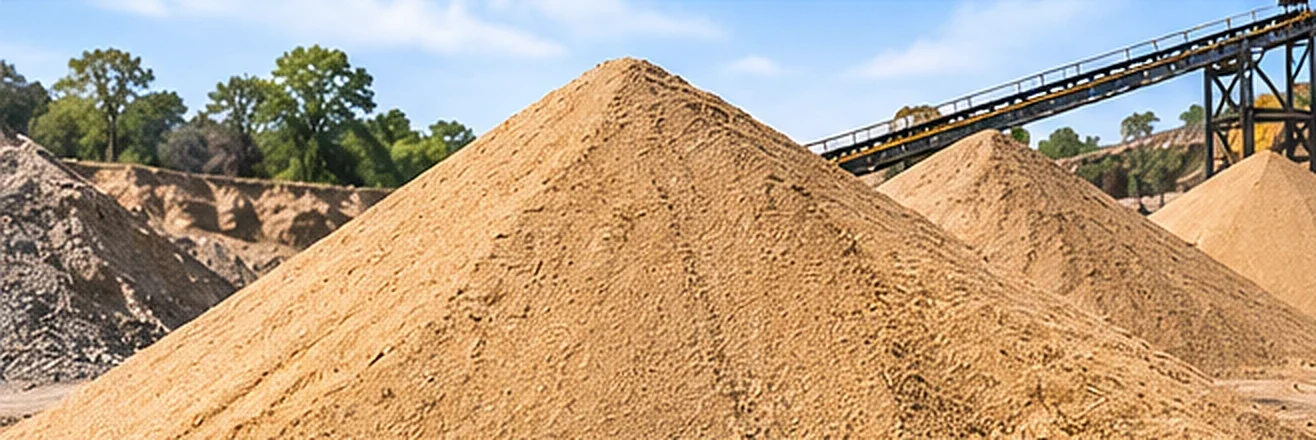
Although different sand washing machines have different designs, their basic purpose is similar. They use water and mechanical movement to separate usable sand from unwanted impurities.
The raw material first enters the washing area, where it comes into contact with water. Depending on the equipment, a rotating wheel, spiral blade or other mechanical arrangement moves the sand through the washing tank.
As the material moves, sand grains rub against one another and against the washing mechanism. This action helps loosen dust, clay and other particles attached to their surfaces.
Water carries lighter impurities towards the overflow or waste discharge. The heavier sand settles or is collected by the machine and moved towards the discharge section.
Some machines also allow excess water to drain before the washed sand is discharged. Where lower moisture or better control of fine particles is required, additional dewatering screens or fine sand recovery equipment may be included.
The final arrangement depends on the quality of the feed material and the product the plant needs to supply. A basic washer may be suitable for one quarry, while another operation may require screening, washing, classification and water recovery equipment together.
Types of Sand Washing Machines
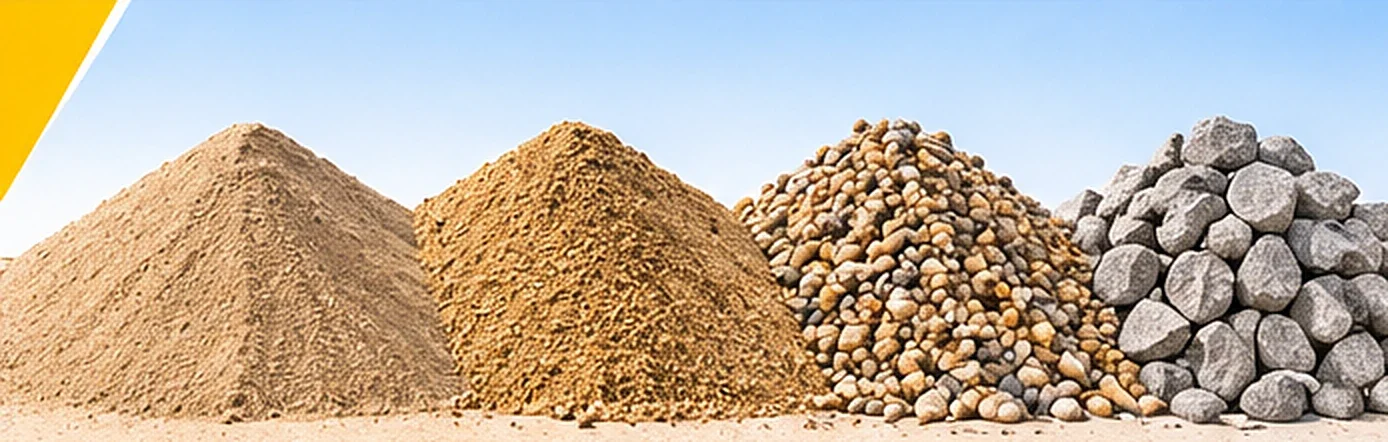
Sand washing equipment is available in different designs. Each type has its own operating arrangement, and the right choice depends on the sand characteristics and production requirements.
Wheel Type Sand Washer
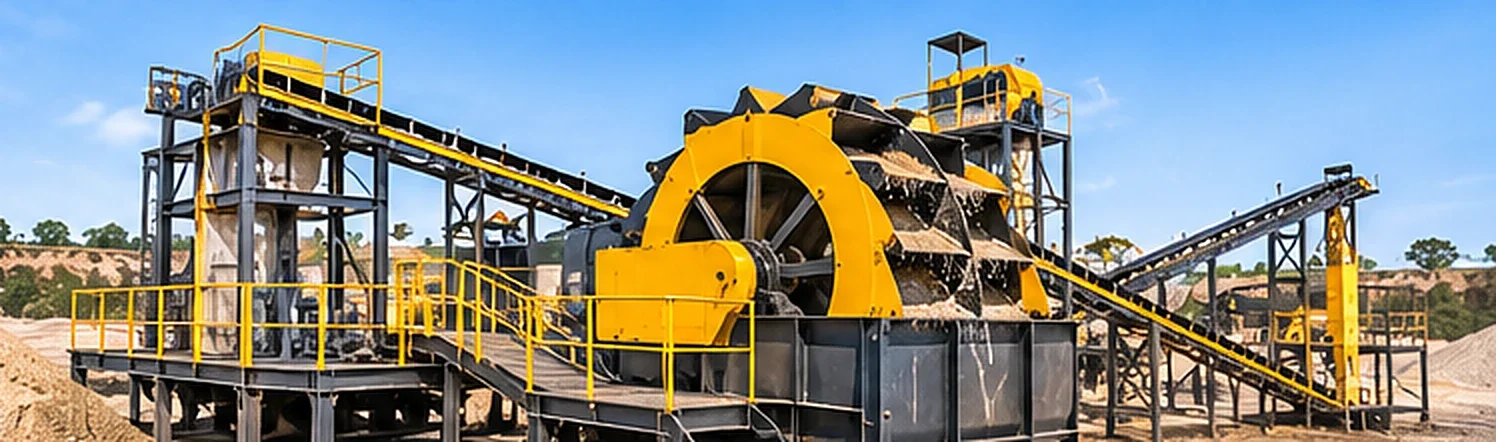
A wheel type Sand Washer uses a rotating bucket wheel to lift and wash sand. The material enters a water-filled tank, where the rotating buckets move it through the washing process.
As the wheel turns, unwanted lighter particles are carried away with the overflow water. The cleaned sand is lifted by the buckets and discharged, allowing some water to drain through the bucket openings.
This arrangement is commonly considered for washing sand containing loose dust and moderate levels of impurities. Its relatively straightforward mechanical design can make daily inspection and operation manageable.
Before choosing a wheel washer, buyers should check its feed size, capacity and suitability for the amount of clay in the material.
Spiral Sand Washing Machine
A spiral sand washing machine uses a rotating screw or spiral blade inside an inclined washing tank. The movement stirs the sand and carries it towards the discharge end while water moves in the opposite direction.
The washing action helps separate unwanted particles from the usable material. Its operating arrangement also supports the movement and classification of sand during processing.
Spiral washers are used in aggregate and mineral processing applications where continuous washing is required. Buyers should check the machine dimensions, spiral arrangement and expected production rate before selecting a model.
Small Sand Washing Machine
A small sand washing machine is generally considered by businesses with lower production requirements or limited installation space.
Small quarries, local aggregate suppliers and plants adding a washing stage to an existing crushing line may not need a large washing system. A compact machine can be considered when the feed quantity and required output are within its operating capacity.
However, smaller equipment should not be selected only because its purchase price is lower. Buyers still need to check the material's impurity level, water requirement and expected tonnes per hour.
If production increases later, an undersized machine may become a restriction in the complete plant.
Sand Washing Plant Process
A sand washing plant normally includes more than one operation. The exact arrangement depends on whether the raw material comes from a natural deposit, a quarry or a manufactured sand production line.
The process usually begins with feeding. Raw material is supplied to the plant and passed through screening to separate unwanted oversized particles and prepare the sand fraction for washing.
The separated sand is then transferred to the washing machine. Water and mechanical movement help remove clay, silt and loose dust. The washing arrangement needs to match the condition of the incoming material.
After washing, the material moves towards discharge or dewatering. A dewatering screen may be used to remove excess water and make the sand easier to handle and stockpile.
Fine sand recovery can also be important. Some very small usable particles may leave with wastewater. A hydrocyclone or other suitable recovery arrangement can help collect these particles, depending on the plant design.
The wastewater carries the removed impurities and needs suitable handling. Settling tanks or water treatment equipment can help separate solids and allow water to be reused.
This is particularly useful for operations where fresh water availability is limited. A well-planned plant considers the complete process rather than focusing only on the washing machine.
How to Choose the Right Sand Washer for Your Plant
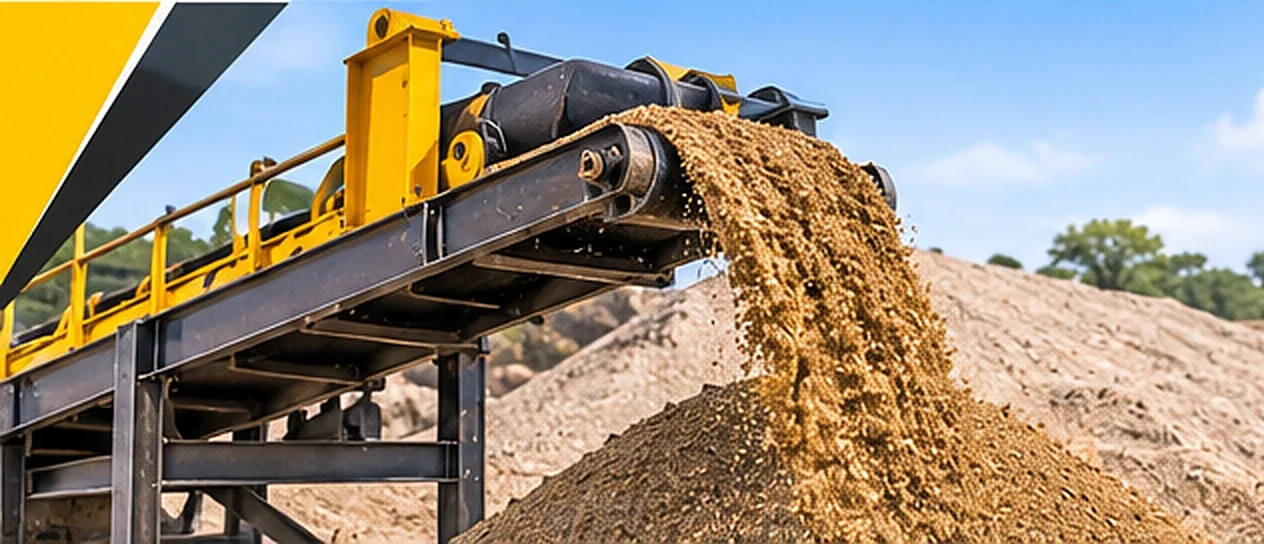
Selecting a Sand Washer starts with understanding the sand available at the site. Two plants processing the same quantity of material may require different equipment because their feed quality is not necessarily the same.
First, check the amount of clay, silt and stone dust in the raw material. A feed containing loose dust may need a different washing arrangement from sand with sticky clay coatings.
Production capacity should be considered next. Compare the expected tonnes per hour with the manufacturer's rated capacity. Also ask how the stated capacity changes with different feed conditions.
The required finished product matters too. A plant supplying coarse construction sand may have different classification needs from one producing fine manufactured sand.
Water availability is another practical consideration. Check the water requirement of the complete washing system and whether water recycling can be included in the plant layout.
Installation space, motor power, maintenance access and replacement-part availability should also be discussed. A machine may appear suitable on paper but create difficulties if there is not enough room for feeding, discharge or servicing.
Before finalising an order, share a sample of your raw material with the manufacturer where possible. A material assessment and clear production requirement can help in selecting a more appropriate machine.
Sand Washing Machine Price: What Affects the Cost?
The sand washing machine price can vary considerably depending on the machine design, size and configuration. There is no single price that applies to every plant.
Capacity is one of the main factors. A machine designed for higher production generally requires a different construction and drive arrangement from a smaller unit.
The washing mechanism also affects the cost. Wheel type and spiral type machines have different designs, while a complete sand washing plant may include screens, pumps, dewatering equipment and fine sand recovery systems.
The condition of the feed material matters as well. A plant processing sand with high clay content may require additional washing or scrubbing equipment.
For buyers comparing sand washing plant price quotations, it is important to check what each supplier has included. Two quotations may have different prices because one covers only the washer while another includes additional equipment and water handling arrangements.
Ask for a clear technical specification, capacity details, motor power and list of included components. This gives a more useful basis for comparing manufacturers than looking at the quoted price alone.
Find a Suitable Sand Washing Solution with Mewar Hi-Tech
Choosing sand washing equipment requires a clear understanding of the material and the production target. The right machine should fit into the existing crushing and screening arrangement without creating unnecessary delays or handling problems.
Mewar Hi-Tech provides crushing and screening solutions for mining, quarrying and aggregate production applications. Businesses planning to add a sand washing stage should evaluate their feed material, required output and plant layout before deciding on the equipment configuration.
If you are comparing sand washing plant manufacturers in India, ask for machine specifications and discuss your actual site requirements before making a purchase. Details such as sand quality, production capacity, water availability and desired finished product can help narrow down the suitable options.
A properly planned washing arrangement helps aggregate producers prepare cleaner sand and manage material quality more consistently. The decision should be based on the complete plant requirement, not just the initial machine price.